
Jump to article sections
Filler is one of the most effective tools we have in Aesthetic Medicine, and it also generates the most questions during a consultation. Social media is full of medical content, but what we see online can be incorrect and create more confusion. At Melinda Menezes, MD, we believe an educated patient is a safer patient. We welcome curiosity, concerns, and myth-busting. Most often, patients ask about filler ingredients, how fillers work, and, of course, whether the results will look natural. The question we wish more patients would ask is: how safe is filler, and what steps are taken to minimize risk and prepare for emergencies?
In this guide, I’m answering all the questions and shedding light on all things filler. If you are curious about lip hydration and shape, wondering what can be done for deeper facial lines, facial contouring, or exploring the best options for the neck, chin, hands, earlobes, or décolleté, this resource will walk you through what fillers are, what they can treat, and how to get safe, personalized care.
Safety Is Sexy
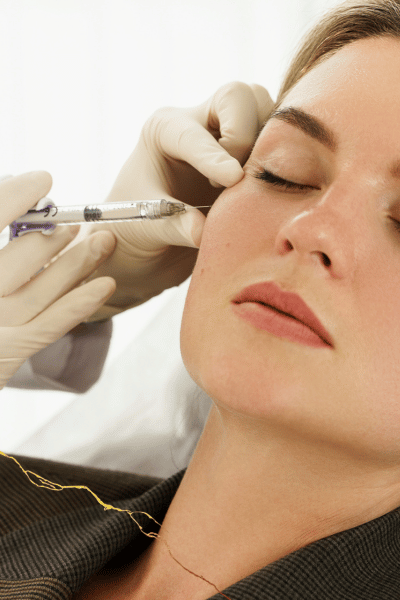
First and foremost, filler is a medical treatment. It requires detailed anatomical knowledge, clean technique, and the ability to recognize and manage complications such as vascular occlusion, tissue injury, and, in rare cases, vision loss or stroke.
This is why filler should always be performed by a physician or highly trained provider. We strongly discourage unregulated settings or non-medical environments. Complications can and have occurred even in expert hands, which is why emergency protocols, reversal agents, and advanced training are necessary.
A safe injector will review your medical history, discuss realistic outcomes, explain risks, and tell you when filler is not the right choice. You will also sign a consent form that explains complications and alternatives. That honesty is part of excellent care.

Who is a Candidate for Filler Treatment?
Filler is not the right tool for every patient, and that is ok! Patients who fall into the categories below typically require alternative approaches, additional medical clearance, or a different treatment plan entirely.
- Patients with active skin infections or inflammation: Cold sores, herpes, acne in the treatment area, or any infection in the treatment area.
- Patients with body dysmorphic disorder: Seek mental health-aligned support and treatment before seeking aesthetic treatment.
- Patients with allergies: If you are sensitive to lidocaine or specific filler ingredients, filler is not the right choice.
- Patients with autoimmune or connective tissue disorders: Filler may be an appropriate treatment, but you should discuss your condition with your provider first.
- Patients who are pregnant or breastfeeding
- Patients with healing dental work or upcoming dental procedures: Dental work can increase the risk of infection or filler displacement.
- Patients with unrealistic expectations: Filler cannot replace surgery or give you celebrity lips on anatomy that won’t support it.
- Patients who are overfilled or have experienced significant filler migration: adding more filler will worsen the problem.
What is Hyaluronic Acid?
Now, let’s explore ingredients. Fillers are made from hyaluronic acid, often called HA. Hyaluronic acid is a naturally occurring molecule found in your skin and connective tissues. It binds to water like a sponge, which is why HA fillers can create soft, hydrated, natural-looking results.
Hyaluronic acid fillers are FDA-approved for treating specific areas, are reversible, and gradually breakdown in the body over time. Most treatments last between six and twelve months, but some can last up to two years, depending on the area treated, the specific product used, and your individual metabolism.
On and Off-Label Treatment
Injectable fillers are used both on-label and off-label. On‑label treatments are those that the FDA has formally evaluated and approved for specific areas, such as smoothing lips or restoring cheek volume. Off‑label use refers to treatments that fall outside those exact approvals, yet are widely practiced. Off‑label does not necessarily mean unsafe, but it does mean the injector must rely on clinical expertise, training, skill, evidence, and professional judgment rather than FDA‑issued guidance. If you are interested in an off-label use, make sure your provider is an expert in that area.

Key Properties of Hyaluronic Acid Fillers
Understanding filler properties matters more than knowing brand names. These characteristics guide experienced injectors in choosing the right product for the right area and patient.
Biocompatibility and Safety
Because hyaluronic acid already exists in the human body, HA fillers carry a very low risk of allergic reaction and do not require skin testing.
Biodegradability
HA fillers are not permanent. They break down over time, allowing results to fade gradually.
Rheological Characteristics (Viscosity and Elasticity)
These properties determine how a filler behaves once injected.
- Elasticity (G Prime) reflects how firm a filler is. Higher G prime fillers provide structural support and lift, making them ideal for cheeks or the chin. Lower G prime fillers are softer and better suited for lips or fine lines.
- Cohesivity refers to how well the filler holds together, helping it stay where it is placed.
Crosslinking stabilizes hyaluronic acid molecules, prolonging the filler’s longevity. More crosslinking generally creates a firmer, longer-lasting product. - Hydrophilicity describes how much water the filler attracts. Some fillers are designed to hydrate tissue, while others are meant to provide structure with minimal swelling.
Reversibility
One of the most important safety advantages of HA fillers is that they can be dissolved immediately or even years later with the enzyme hyaluronidase if needed.
There is no good or bad filler. There is only the right filler used in the right place with the right technique. Brand names matter far less than injector training, anatomical knowledge, and thoughtful selection.
What Filler Can Treat
Injectable fillers are popular because they are highly adaptable. When placed properly by a trained provider, fillers can create subtle, natural-looking improvements that still look like you.

Lips
Lips are the most common area patients ask about. Concerns patients often seek treatment for include thin lips, asymmetry, vertical lip lines, dryness, or loss of volume. Lip fillers can hydrate, smooth, and shape the lips while maintaining balance and movement. Poorly done filler is easy to spot, but precise and artful lip enhancement is beautiful and makes patients feel empowered! The right application can create facial balance and confidence.
Cheeks and Midface
Volume loss in the cheeks can make the face look tired or hollow. Filler restores support, softens nasolabial folds, and improves overall facial harmony.
Chin and Jawline
Filler can subtly enhance structure in a recessed chin, soften the jawline, and improve profile and proportion without surgery. Alternatives to fillers in these areas include surgical implants.
Neck
Horizontal neck lines and crepey texture are common concerns. Neck filler supports delicate tissue and improves skin quality.
Hands and Décolleté
These areas often show aging early. Filler can restore volume in the hands and improve crepey texture on the chest.
Earlobes
Filling earlobes has a subtle effect, making jewelry hang better and balancing the face. It is one of our favorite places to treat.
High-Risk Treatment Areas:
Certain areas require advanced training and careful technique due to their vascular anatomy:
- Tear troughs
- Temples
- Nose
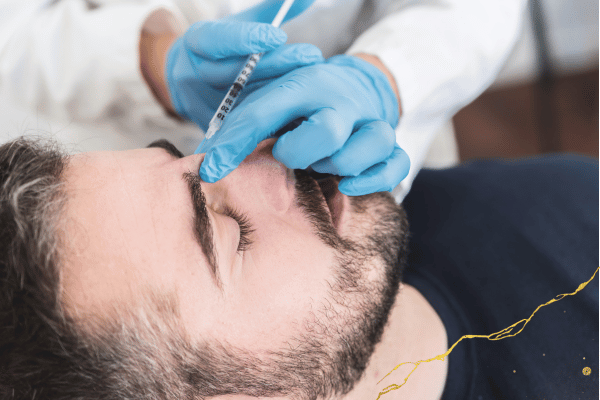
These treatments should only be performed by experienced medical professionals in a controlled environment, with the tools needed to address potential medical emergencies including blindness, tissue death, and stroke.
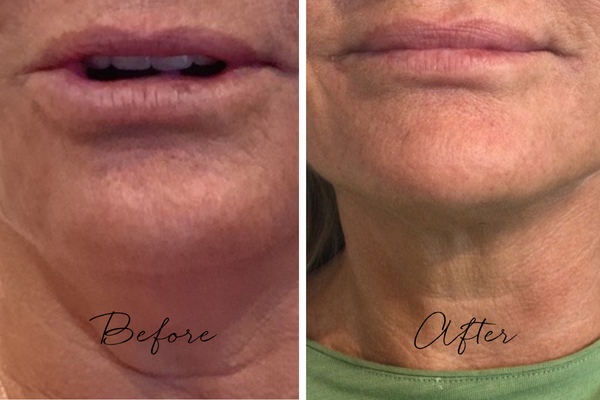
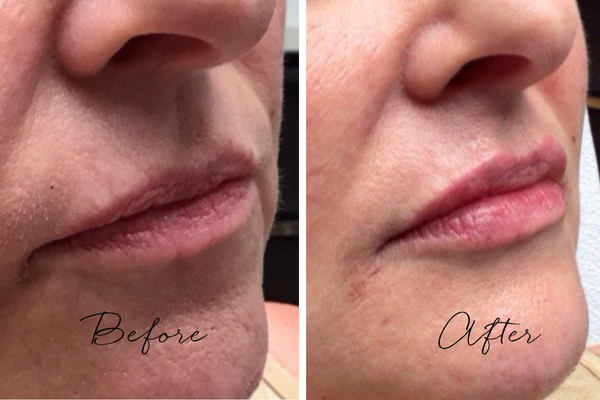
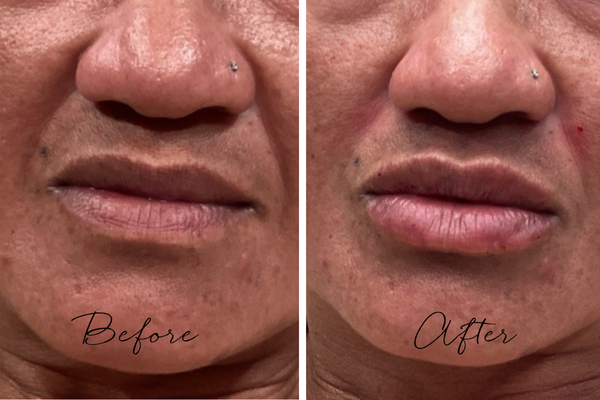
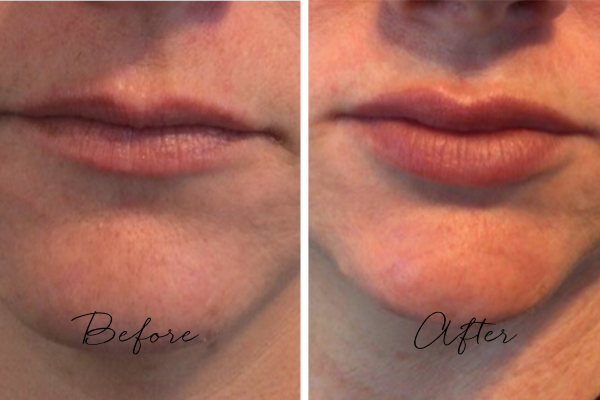
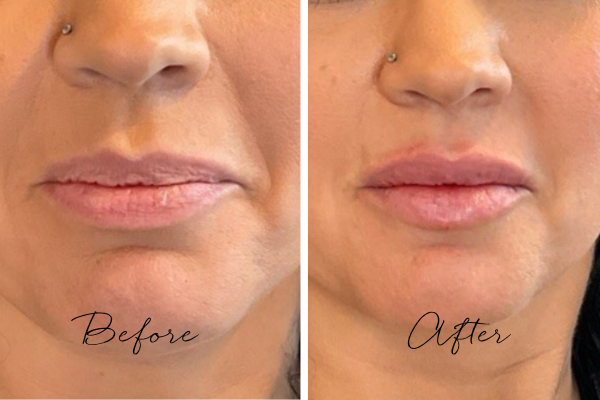
Real MMMD Patients: Check Out The Lip Library
Since lips are the most common area patients ask about, this is the perfect moment to show you what personalized and well-placed lip filler and injectable treatments can look like. Our Lip Library features before-and-after photos from real treatments performed at our clinic.
How to Choose the Best Facial Fillers for Your Needs
There is no single best facial filler.
The best option is the one chosen specifically for you by a trained and skilled provider who understands your facial anatomy and listens closely to your goals.
This is why we do not recommend choosing a filler based solely on brand names. The product matters, but the injector’s training and technique matter more. A skilled provider knows how to select the appropriate filler and place it safely and beautifully.
And that brings us to the most important part of any filler conversation.
Injection Techniques
Injectors use both needles and cannulas, and each tool serves a different purpose depending on the anatomy and the desired outcome. Needles allow for precise placement and are ideal for treating fine lines as well as deep placement for volume replacement, but they create more entry points and carry a slightly higher risk of bruising. Cannulas are flexible, blunt‑tipped tubes designed to glide through tissue with fewer punctures, reducing trauma and making them useful for larger volumes of restoration or regions with higher vascular risk. Skilled injectors will choose the tool that best matches the treatment area, the product, and the patient’s anatomy to ensure safe, natural‑looking results.
Filler Risks and Emergencies
We do our best to minimize risks, which are usually low when treatment is performed by an experienced medical professional, but filler is a medical treatment, and emergencies can happen. Understanding potential risks helps you make informed decisions and recognize when to seek care.
Filler Migration & the Tyndall Effect
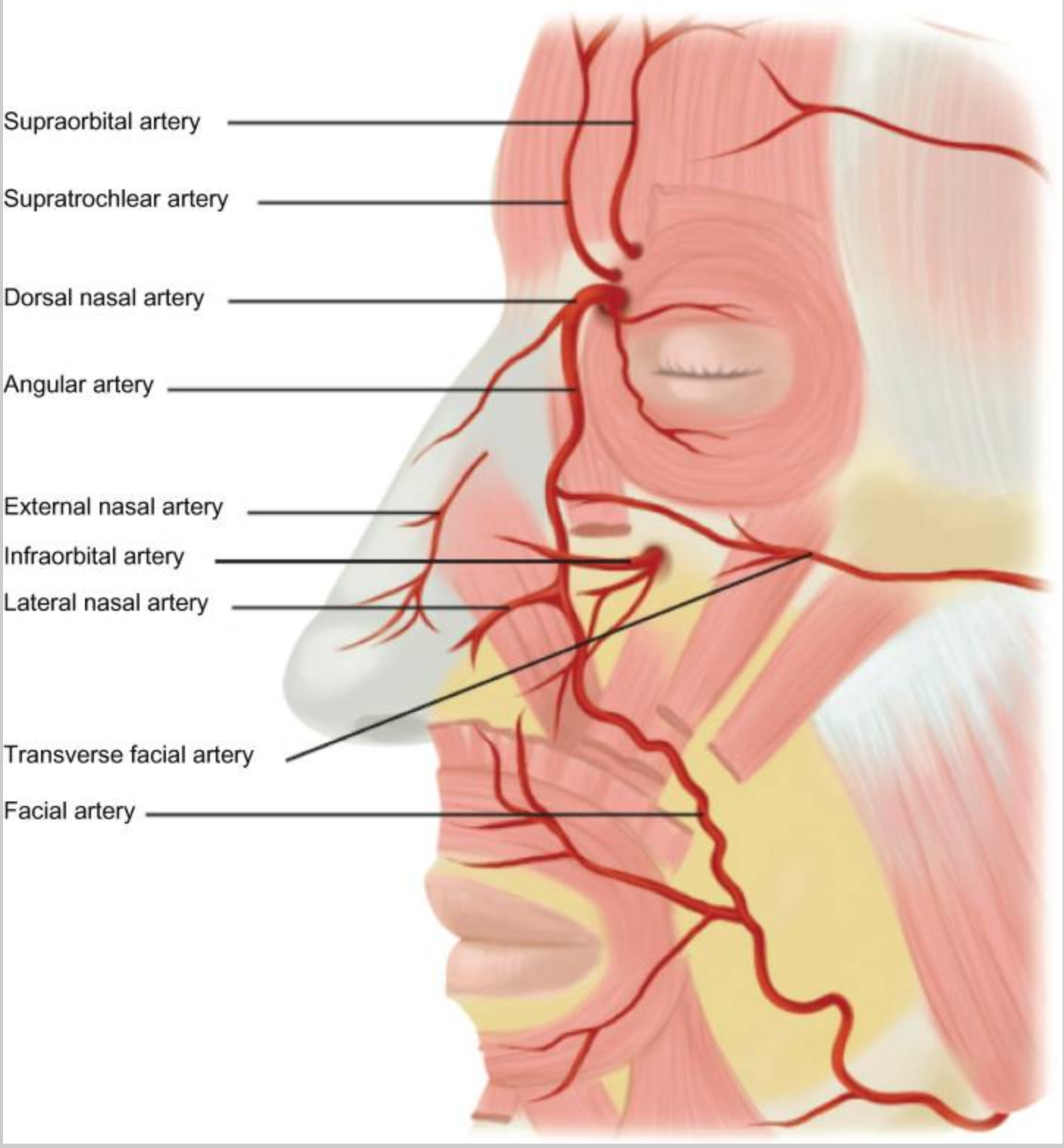
Filler migration is an uncommon but recognized risk that usually stems from a combination of product behavior, injection technique, tissue characteristics, and post‑treatment factors. In most cases, migration appears as puffiness, contour irregularities, discoloration from superficial injection, or a blurred border around the lips. However, it can also migrate to the lymphatic system from high-risk treatment areas. The key is seeking out a provider with advanced training, skill, thoughtful assessment, and product selection to minimize the likelihood of unwanted movement.
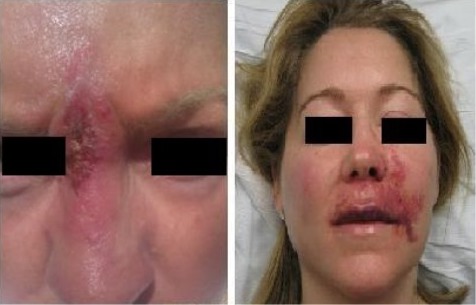
Vascular Occlusion
A vascular occlusion occurs when filler unintentionally enters or compresses a blood vessel, restricting blood flow to the surrounding tissue. This is a rare but serious complication that can happen during or shortly after injection.
Early signs may include significant pain, blanching or whitening of the skin, dusky or mottled color changes, or a feeling of pressure that worsens with time. When recognized early and treated promptly with hyaluronidase, outcomes are typically very good. This is why having emergency protocols in place is essential.
Vision Changes and Blindness
In extremely rare cases, filler can affect blood vessels connected to the eye, leading to visual disturbances or vision loss. This risk is highest in specific anatomical areas such as the nose, tear troughs, temples, and between the eyes, but has occurred in other lower risk areas such as lips and cheeks. These complications occur immediately and require urgent medical response. Even with immediate medical attention, outcomes in these events are poor.
Stroke
Stroke related to filler is extraordinarily rare but has been reported in association with vascular occlusion in high-risk areas. Like vision changes, this would occur immediately and is another reason filler should only be performed in a medical setting by a highly trained provider.
Nodules
Nodules are small, firm lumps that can appear days to weeks after treatment. They may result from product placement, swelling, or the body’s localized response to filler. Many nodules soften on their own or respond to massage or medical treatment. These are different from inflammatory reactions and are usually not dangerous, but they should always be evaluated by your provider.
Late-Onset Inflammatory Reactions and Granulomas
Late-onset reactions can occur weeks, months, or even years after filler placement. These reactions may be triggered by illness, dental procedures, or immune system activation. Symptoms can include swelling, tenderness, redness, or firmness in previously treated areas. These reactions are uncommon and treatable, but they require medical evaluation and may require antibiotics, steroids, and dissolution of the filler.
Dental Procedures and Filler
Dental work can introduce bacteria into the bloodstream and may increase the risk of inflammation around existing filler. For this reason, we recommend spacing elective dental procedures and filler treatments when possible. If dental work is urgent, your injector should be informed so they can guide timing and monitor for changes. At MMMD, we require two-weeks between dental work and filler. If a dental emergency occurs within two weeks of filler treatment, consult your provider.
Vaccines and Filler Reactions
Rare inflammatory reactions have been reported following certain vaccinations in patients with existing filler. These reactions are typically mild and temporary. Vaccines remain safe and important. We simply recommend letting your injector know about recent or upcoming vaccinations so timing can be planned thoughtfully.
Infection
Infection after filler is uncommon but can occur if bacteria are introduced during or after treatment. Signs include increasing redness, warmth, pain, or swelling several days after injection. Prompt medical care leads to excellent outcomes. This is another reason undergoing treatment at a medical clinic that adheres to clean techniques really matters.
Cold Sores After Treatment
Filler around the lips can trigger a cold sore outbreak in patients with a history of herpes simplex virus. Preventive antiviral medication may be recommended before treatment.
When to Seek Emergency Care
You should seek immediate medical attention if you experience:
- Sudden or severe pain during or after treatment
- Skin that turns white, gray, or dark purple
- Vision changes or loss
- Rapidly worsening swelling
- Signs of stroke, such as weakness, confusion, or difficulty speaking
At Melinda Menezes, MD, patient safety is central to every treatment we offer. We use evidence-based techniques, advanced training, and emergency preparedness to ensure you receive care that is not only effective but responsible.

How to Prepare Yourself for Your Filler Appointment
Before treatment, you may be advised to avoid blood-thinning medications or supplements when medically appropriate. Arrive well hydrated and plan your appointment around social events in case of swelling or bruising. Stop alcohol consumption at least 5 days prior to injection. Turmeric, garlic, ginger, and fish oil may increase the risk of bruising. Let your provider know if you are taking them so you can decide the best management approach. If you have a history of cold sores, let your provider know, as preventative medication may be recommended.
At MMMD, patients should arrive without makeup and with freshly washed skin. Do not come to a filler appointment after a workout or directly from the gym. Before your treatment, expect something to be applied to the skin to reduce bacteria. Your provider will always wear clean gloves and open a sealed, sterile package of needles and cannulas.
What to Expect After Your Filler Appointment
Most patients experience mild swelling, tenderness, asymmetrical swelling, bruising, or a lumpy feeling that resolves within a few days. Results continue to settle over one to two weeks.
Results: How Long Does Filler Last?
Most HA fillers last six to 12 months, though some may last longer depending on the area treated. Areas with greater movement, such as the lips, metabolize filler more quickly. Areas with less movement, such as the cheeks, may retain results longer.
The Bottom Line
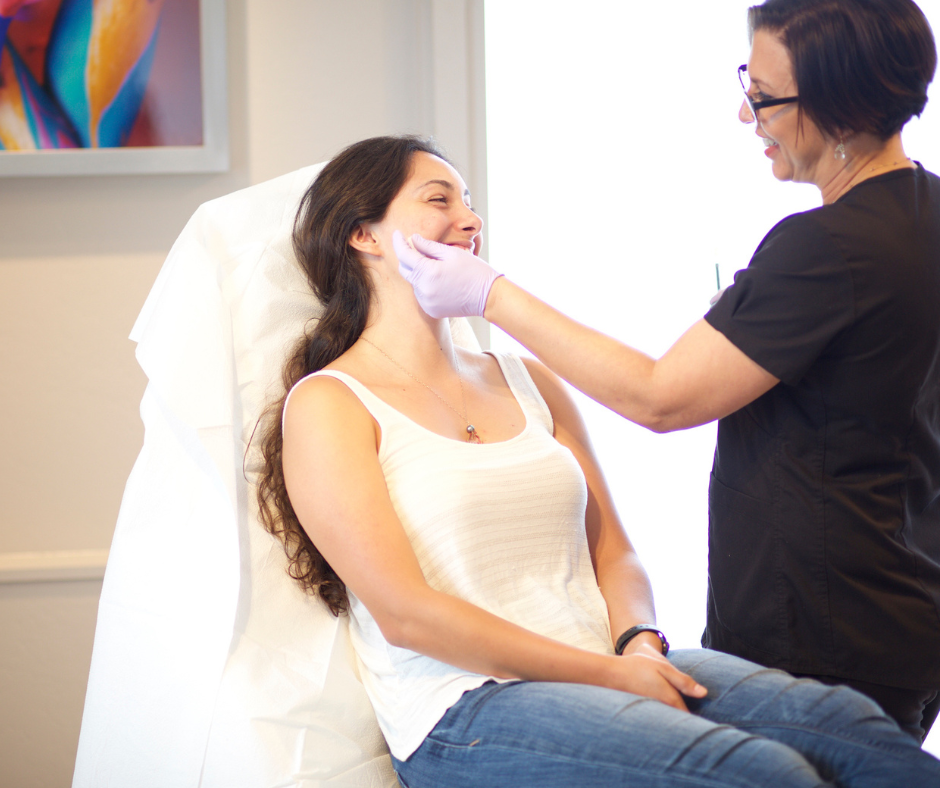
Injectable fillers are powerful tools when used thoughtfully and safely. They can soften facial lines, restore volume, enhance lips, and support delicate skin, all while honoring your natural features.
The best facial fillers are those chosen for you by a trusted medical professional who understands your goals, facial anatomy, and health history. If you are curious about filler or want to explore your options, we are here to guide you with integrity, expertise, and respect for your story.

Melinda Menezes, MD, is a Kauai‑based physician with decades of experience practicing Aesthetic Medicine. She is known for her commitment to safety, excellence, and for helping patients look and feel their best with state-of-the-art, science-backed treatments. All information published on melindamenezesmd.com is for general educational purposes only and is not medical advice. Personal questions or concerns should always be discussed directly with a qualified healthcare professional.
Common Myths and Questions About Filler
Many patients come in with questions or concerns. Let us clear up a few of the most common filler myths and fears.
Will I look fake?
Not with a skilled injector. Natural results come from thoughtful placement and dosing.
Will my lips stretch out?
If you have a professional lip enhancement by a highly trained provider, this should not happen. However, incorrect dosing and overfilling may lead to stretching.
Does it hurt?
It can, but it absolutely does not have to. The filler gel contains numbing agents, and a topical anesthetic cream or a nerve block may be offered. If your provider can use a cannula, treatment is usually more comfortable.
What if I do not like it?
Hyaluronic acid fillers can be dissolved and also breaks down in your body over time..
What if something goes wrong?
This is rare, but emergencies can happen. This is exactly why you should choose a trained medical professional for any Aesthetic Medical treatment. Stay away from basement and backyard injectors!
READ
MORE


Unlock Your best skin Ever
Join our mailing list for exclusive monthly offers, skin care specials, and first-access to new treatments and events.