
When patients come to our clinic asking about laser facials and energy-based treatments, they’re usually focused on one thing: the device itself. They want to know which is best, how many treatments they’ll need, and whether the downtime is worth it. Fair questions. But here’s what might surprise you: the device is only a small part of the equation.
In aesthetic medicine, exceptional results don’t happen because your provider has an expensive machine. They happen because the right technology is paired with the right patient, the right skin conditions, the right skin preparation, and an experienced, well-trained provider. In many cases, what you do in the weeks leading up to treatment has more impact on your outcome than the treatment itself.
If there’s one thing we believe at our clinic, it’s that lasers and energy-based treatments are powerful medical devices. They deserve the same thoughtful planning, safety standards, and attention to detail as any other medical procedure.
What is the Difference Between Laser, Light, and Heat-Based Treatments?
One of the biggest misconceptions in aesthetics is that all lasers are the same. They’re not.
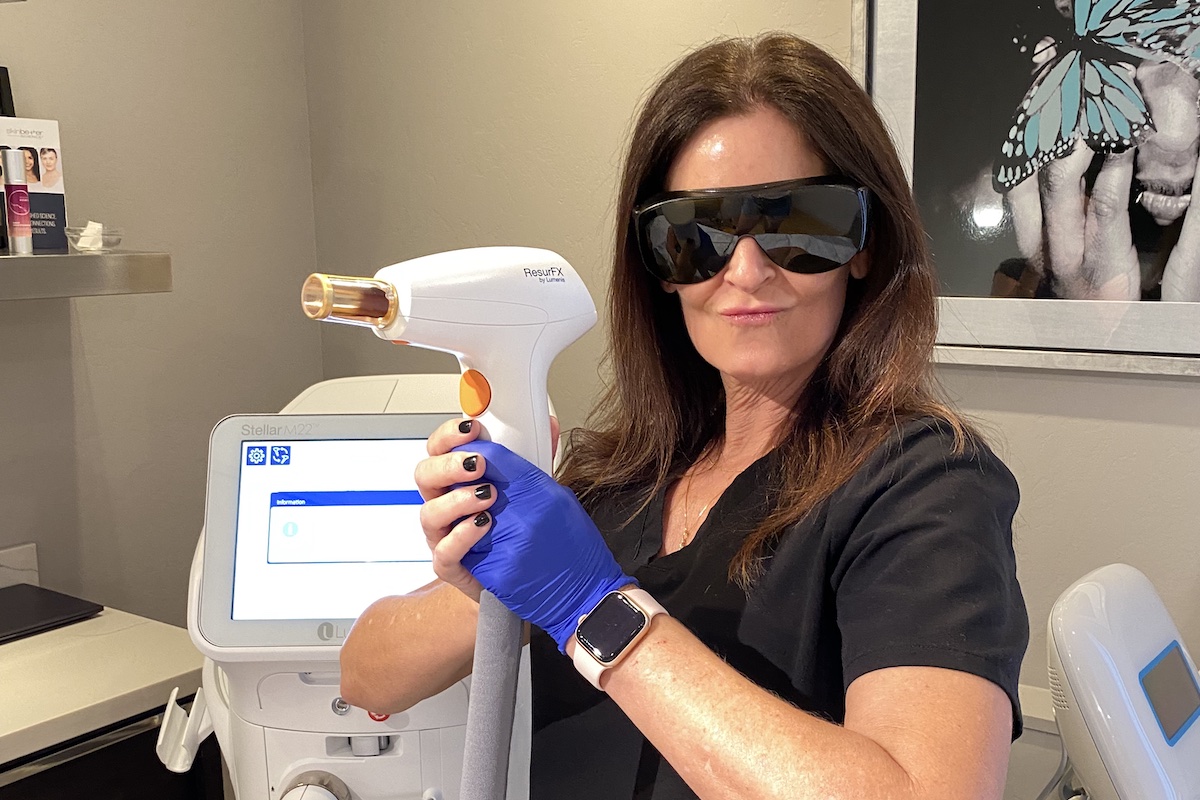
Different devices use different types of light and energy to target specific concerns within the skin. Choosing the wrong technology can lead to disappointing results. Choosing the right one can be transformative. Both laser and light treatments work by delivering energy into the skin. That energy is selectively absorbed by specific targets, such as pigments, blood vessels, water in tissue, or damaged skin cells. I like to think of a laser as a knife made out of light. It breaks the skin as it hits its intended target.
IPL: Intense Pulsed Light
Despite being grouped with laser treatments, IPL isn’t technically a laser. IPL uses broad-spectrum light to treat:
- Sun damage
- Freckles
- Brown spots
- Redness
- Rosacea
- Uneven skin tone
IPL is excellent for improving discoloration and overall skin clarity with minimal downtime. However, it isn’t designed to significantly improve deep wrinkles, acne scars, or major texture concerns.
Fractional Lasers
Fractional lasers remove a specific percentage of tissue while leaving the remaining tissue intact. These treatments are often used for:
- Fine lines
- Enlarged pores
- Acne scars
- Mild pigment irregularities
- Uneven texture
Because untreated skin remains between treatment areas, healing is generally faster than with more aggressive resurfacing procedures.
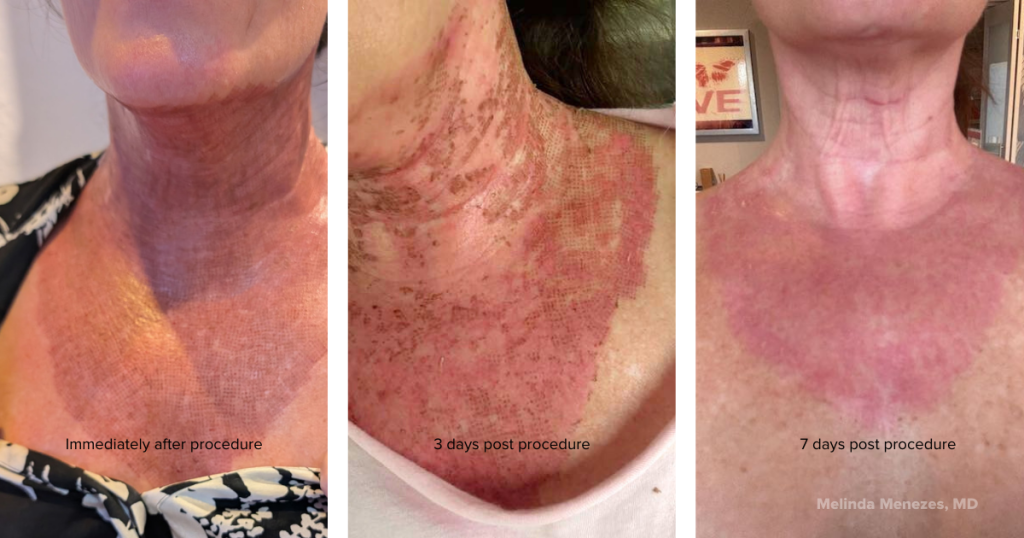
CO2 and Ablative Lasers
Unlike fractional lasers, ablative lasers remove the outer layers of damaged skin while stimulating collagen production during healing. These treatments are commonly used for:
Because ablative laser treatments intentionally remove damaged tissue, they typically provide more dramatic improvement than non-ablative treatments. However, that increased improvement comes with more recovery time and a greater need for careful pre-treatment preparation.
CO2 laser resurfacing remains one of the most effective treatments available for skin rejuvenation. It is particularly effective for:
- Deep wrinkles
- Significant sun damage
- Advanced signs of aging
- Acne scars
- Surgical scars
- Severe texture irregularities
The reason CO2 lasers produce such dramatic results is that they resurface damaged skin while stimulating extensive collagen remodeling beneath the surface.
Heat and Radiofrequency
Not all skin rejuvenation treatments rely on light energy. Radiofrequency microneedling devices such as Morpheus8 combine tiny insulated needles with controlled radiofrequency energy to stimulate collagen remodeling deep within the skin. These treatments are often used for:
- Acne scars
- Fine lines and wrinkles
- Enlarged pores
- Mild skin laxity
- Crepey skin
- Overall skin rejuvenation
Rather than targeting pigment or surface damage, radiofrequency microneedling creates controlled heat beneath the skin. This thermal stimulation encourages the production of new collagen and elastin while helping tighten and strengthen the skin over time.
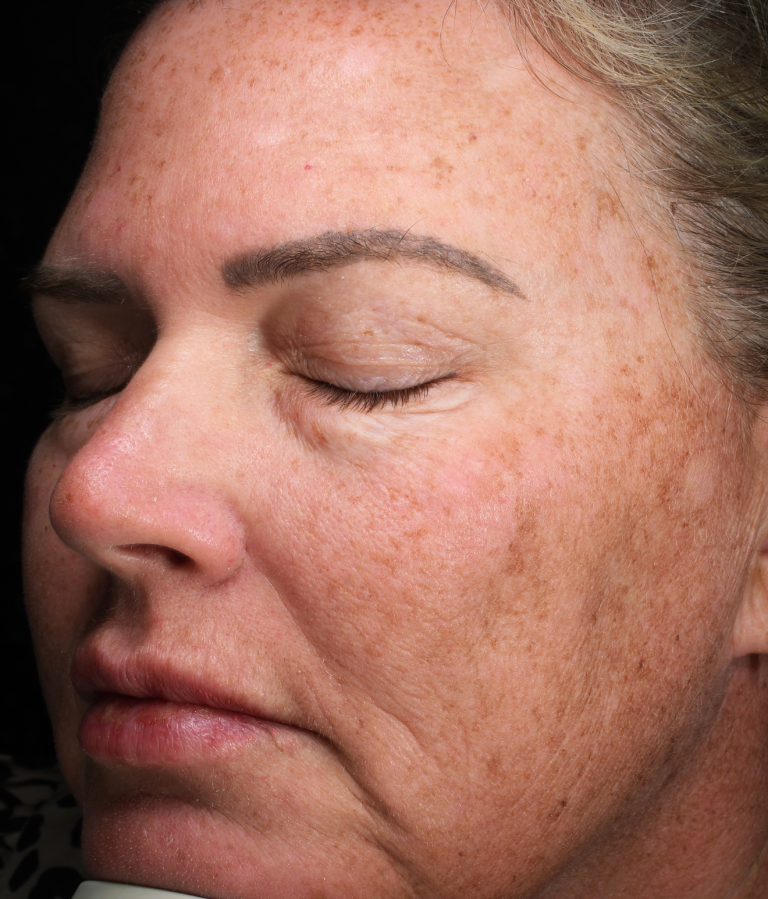
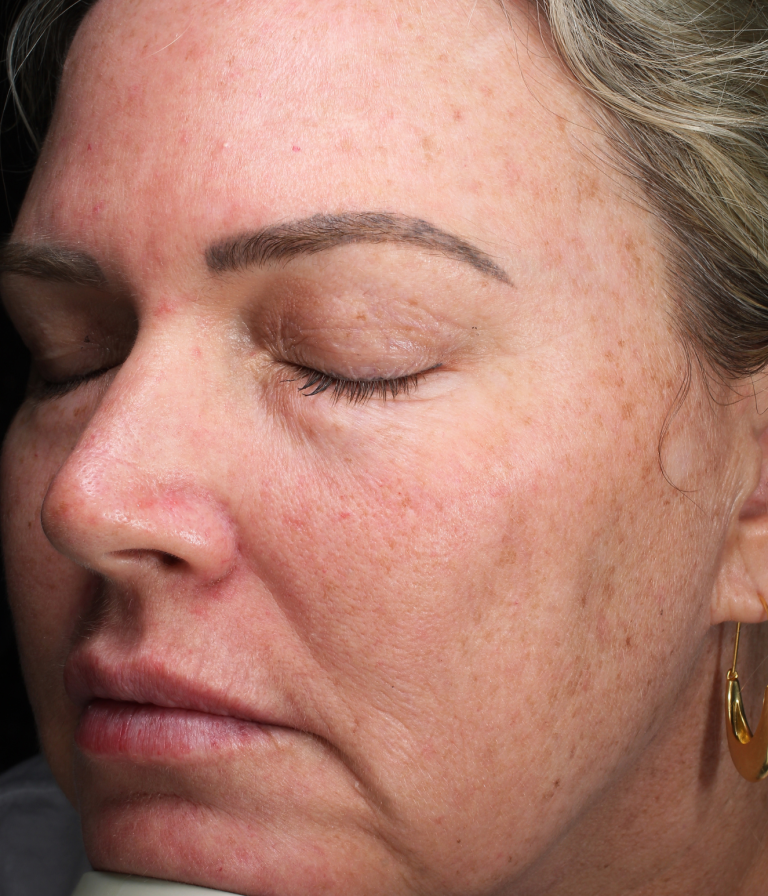
Why We Don't Rush Patients Into Laser Facial Treatments
Before recommending a laser facial, we do a comprehensive consultation to evaluate your skin. We assess redness and inflammation, barrier function, hydration, wrinkles and lines, pigment, discoloration, acne, scarring, texture, and more. From there, we always start our patients on medical-grade skin care before choosing a laser or light treatment because healthy skin heals better, responds more predictably, and produces better results.
How to Prep Skin for Laser Facials
Step One: Establish a Skin Fitness Plan
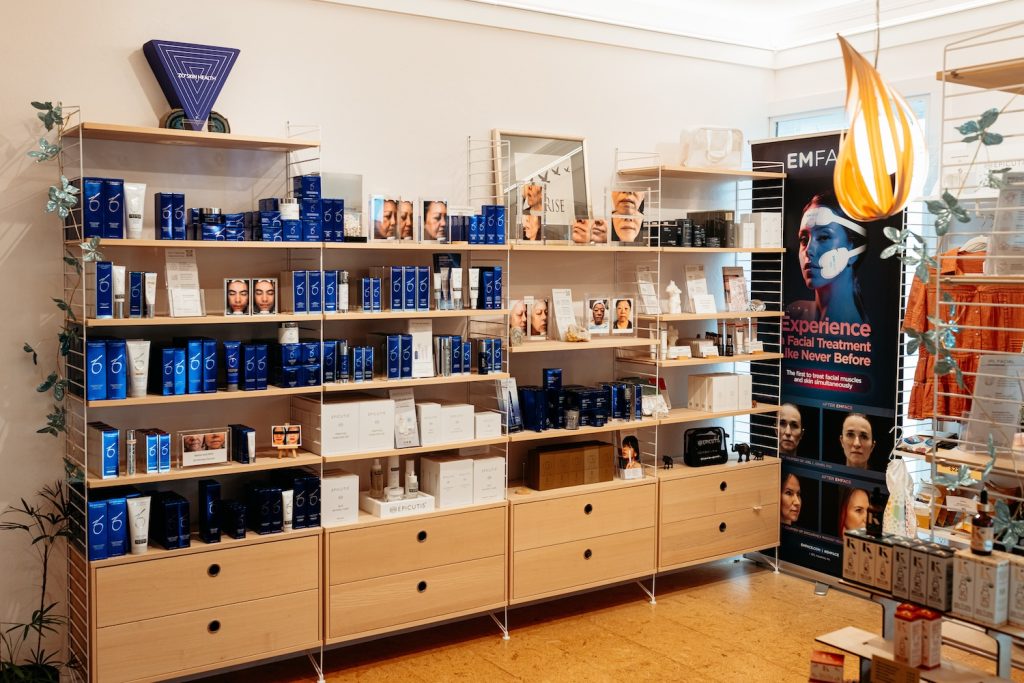
One of the most important parts of preparing for a laser facial, radiofrequency treatment, chemical peel, or resurfacing procedure starts with creating healthy, resilient skin before treatment. At MMMD, we call this Skin Fitness. Just as you wouldn’t run a marathon without training, you shouldn’t jump right into a laser, energy, or heat-based treatment without proper preparation.
A customized medical-grade skincare plan helps strengthen the skin barrier, reduce inflammation, regulate pigment production, improve hydration, and optimize cellular function. When the skin is healthier before treatment, it heals faster, tolerates energy more predictably, and often produces better long-term results.
Depending on your skin concerns, your regimen may include:
Cleanser and toners
Gentle cleansing helps reduce inflammation and creates an optimal environment for healing. Medical-grade cleansers remove excess oil, debris, sunscreen, makeup, pollution, and bacteria without disrupting the skin barrier.
Alpha and Beta hydroxy acids
Chemical exfoliants help normalize skin turnover prior to a laser facial or resurfacing treatment.
Alpha hydroxy acids such as glycolic acid and lactic acid work on the skin’s surface to:
- Improve dullness
- Smooth texture
- Even skin tone
- Reduce superficial pigment buildup
Beta hydroxy acids such as salicylic acid penetrate oil glands and pores, making them especially useful for acne-prone patients.
Exfoliants
Controlled exfoliation can improve the overall quality of the skin before treatment. Professional-grade exfoliants help:
- Remove dead skin buildup
- Increase product penetration
- Improve skin smoothness
- Reduce rough texture
Over-exfoliation, however, can compromise the skin barrier. That’s why your skincare plan should be individualized and supervised by an experienced provider.
Growth factors and peptides
Growth factors and peptides are some of the most valuable ingredients used to prepare and recover from laser facial treatments. Growth factors are messenger proteins that help regulate cellular repair and tissue regeneration. Peptides are small chains of amino acids that signal the skin to produce collagen and elastin. Benefits may include:
- Improved healing response
- Increased collagen stimulation
- Better skin strength
- Enhanced tissue repair
- Improved skin texture and elasticity
Retinoids
Retinoids remain one of the most extensively studied ingredients in dermatology. Derived from vitamin A, retinoids help:
- Increase cell turnover
- Stimulate collagen production
- Improve skin texture
- Reduce fine lines
- Improve acne
- Promote more even pigmentation
Patients preparing for laser skin resurfacing often benefit from retinoid use because healthier cellular turnover can improve treatment outcomes.
Vitamin C and Antioxidants
Vitamin C is one of the most powerful antioxidants available in skincare. It helps:
- Neutralize free radical damage
- Brighten skin tone
- Support collagen production
- Reduce oxidative stress
- Improve overall skin health
Sun exposure, pollution, and environmental damage create free radicals that contribute to aging and pigment complications.
Antioxidants
Laser facials, radiofrequency treatments, and peels all create a controlled healing response within the skin. Antioxidants help support this process by reducing oxidative stress and inflammation. Common antioxidants include:
- Vitamin C
- Vitamin E
- Resveratrol
- Ferulic acid
- Green tea polyphenols
Hydrating ingredients
Hydrated skin functions better, heals more efficiently, and often responds more predictably to laser and energy-based procedures. Depending on your skin type, hydration products may contain:
- Hyaluronic acid
- Sodium hyaluronate
- Ceramides
- Squalane
- Glycerin
Step Two: Control Pigment
This is especially important for patients dealing with melasma. Melasma is not simply a brown spot problem. It’s a complex pigment disorder triggered by multiple factors, including hormones, sunlight, inflammation, and heat. Many patients are surprised to learn that a laser can actually make melasma worse.
Peels and collagen induction therapy (CIT) are better choices for patients with Melasma. We spend weeks preparing pigment-prone skin before performing any procedures, so we know the best course of action. Strict sun protection and targeted skincare are the foundation of a successful melasma treatment plan.
Step Three: Consider a Medical Facial or Peel
Depending on your concerns, we may recommend other professional treatments before laser therapy. Medical facials and chemical peels can improve skin turnover and create a more uniform treatment surface, enhancing the effectiveness of future laser facial treatments.
Pigment-Regulating Products
Pigment control is one of the most important components of laser facial preparation, particularly in patients prone to melasma or post-inflammatory hyperpigmentation. Common pigment-regulating ingredients include:
Hydroquinone: Reduces melanin production, helps prevent rebound pigmentation. Frequently used before laser resurfacing procedures
Tranexamic Acid: Helps regulate pigment pathways, often useful for melasma-prone skin, can reduce the risk of pigment recurrence
Step Four: Become Obsessed With Sun Protection
Living on Kauai means sunshine is part of daily life. We get it. But if you’ve spent weeks collecting UV damage and then show up expecting your laser to undo it all overnight, your skin will have other plans. Recent sun exposure increases melanin activity within the skin.
That means a higher risk of complications, including post-inflammatory hyperpigmentation and uneven healing. There are very few things we’re dramatic about. Sun protection happens to be one of them. Daily sunscreen isn’t optional before laser facials. It’s mandatory.
Safety First, Results Second
Exceptional laser facial and energy-based treatment results begin with safety. We are committed to investing in advanced technology, ongoing education, evidence-based protocols, and individualized treatment plans because patients deserve more than a one-size-fits-all approach.
Sometimes that means saying yes to a laser. Sometimes it means starting somewhere else. The best laser treatment isn’t always the most powerful one. It’s the one performed on the right patient, at the right time, with the right preparation and an experienced provider.
Start your Skin Fitness Journey and laser facial Prep today.
READ
MORE

Unlock Your best skin Ever
Join our mailing list for exclusive monthly offers, skin care specials, and first-access to new treatments and events.