Everything You Need to Know About Laser Facials and Light Treatments
When it comes to improving your skin, few treatments generate as much curiosity and confusion as laser facials. You’ve probably heard about IPL, CO₂ resurfacing, fractional lasers, photofacials, and a dozen other treatments promising smoother, brighter, younger-looking skin. But what do they actually do? And which one is right for you?
The truth is that not all lasers are created equal. At MMMD, we believe that choosing a treatment should start with understanding your skin, not chasing the latest aesthetic trend. Our philosophy is simple: We don’t fix problems. We treat patients. That means looking beyond an individual wrinkle, brown spot, or area of redness to understand your skin’s overall health, your medical history, and your long-term goals.
We offer two very different approaches to laser and light-based treatments: Gentle IPL and Deep CO₂ Laser Resurfacing. One offers targeted improvement with minimal downtime. The other delivers intensive skin renewal when a deeper intervention is appropriate.
Winter is the perfect time to get crispy with the right laser for your skin. Let’s get into the science, the options, the recovery, and what you should know before letting anyone point a laser at your face.
The Laser and Light Treatments We Offer at MMMD
Gentle IPL: Targeting Sun Damage, Pigmentation, and Redness
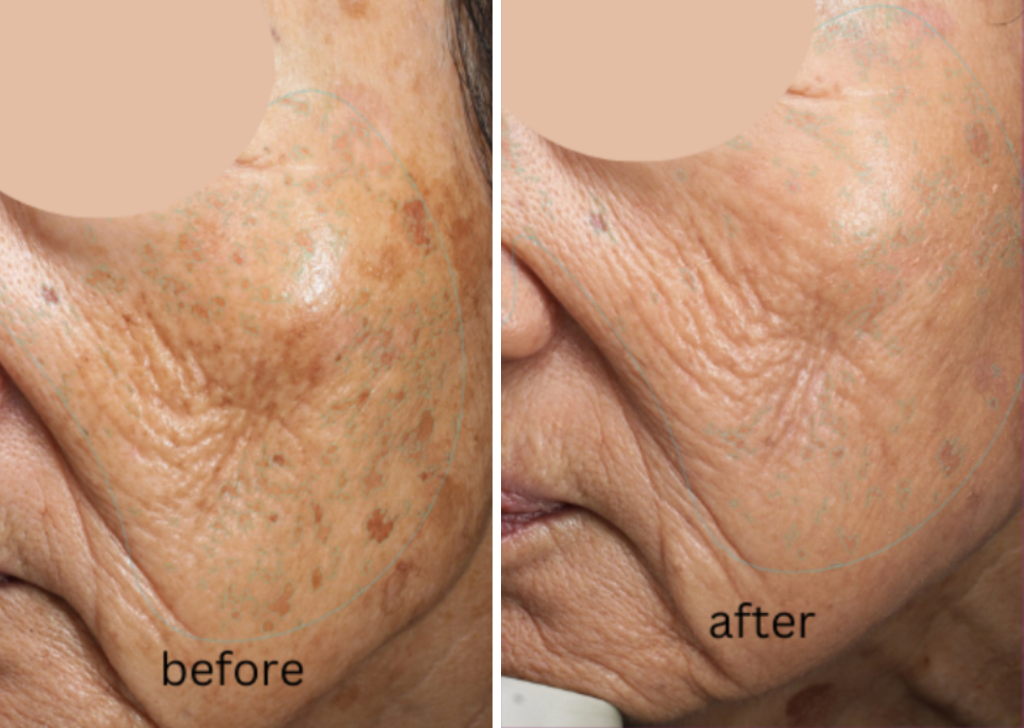
IPL stands for Intense Pulsed Light. Although it’s frequently grouped with laser facials, IPL is technically a light treatment rather than a laser. It uses broad-spectrum, filtered light energy to target pigment and visible blood vessels within the skin.
IPL works by delivering pulses of light that are absorbed by specific targets in the skin, primarily melanin (pigment) and hemoglobin (found in blood vessels). The absorbed energy creates heat, helping the body gradually clear the targeted pigment or reduce the appearance of unwanted vascular discoloration. Think of it as a targeted approach to some of the visible consequences of sun exposure and aging.
What can IPL treat?
- Sun damage
- Freckles
- Brown spots
- Redness
- Rosacea
- Uneven skin tone
One of the advantages of IPL is that it typically requires very little downtime. It is a relatively quick treatment that can improve the appearance of sun damage and uneven skin tone without intentionally removing the skin’s surface.
Who is a good candidate for IPL?
IPL is generally best suited for patients with lighter skin tones who have visible sun damage, superficial pigmentation, or certain types of redness. Because melanin also absorbs light energy, IPL can increase the risk of burns and unwanted pigmentation in patients with more melanated skin.
At MMMD, we don’t believe in treating every patient with the same device or settings. If IPL isn’t appropriate for your skin tone or medical history, we’ll discuss other approaches.
CO₂ Laser: A Transformative Approach to Skin Renewal
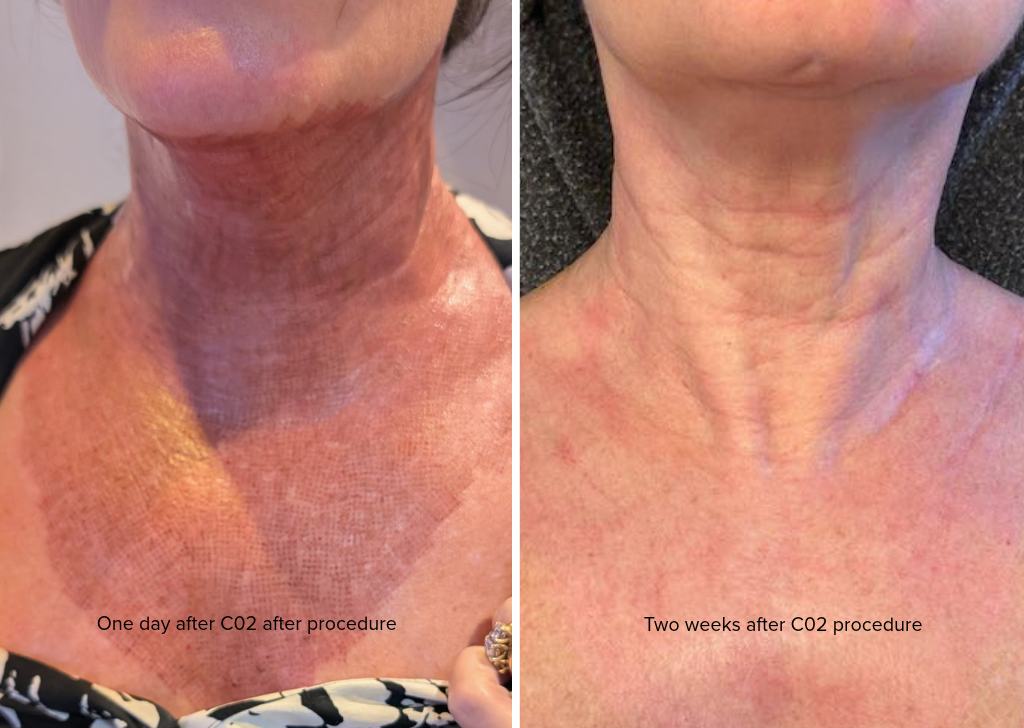
If IPL is the gentler approach to improving visible sun damage and discoloration, CO₂ laser resurfacing is the more intensive option for addressing deeper skin concerns. CO₂ lasers are ablative lasers, meaning they remove controlled portions of the skin’s surface through a process called vaporization. The laser energy is strongly absorbed by water in the skin, allowing precise treatment of the targeted tissue.
This controlled injury initiates the body’s natural wound-healing response. As the skin heals, new skin develops, and collagen remodeling continues beneath the surface.
What can CO₂ laser resurfacing treat?
- Deep wrinkles
- Significant sun damage
- Advanced signs of aging
- Deeper/pitted acne scars
- Surgical scars
- Severe texture irregularities
CO₂ resurfacing is particularly valuable when concerns extend beyond superficial pigmentation. It addresses the skin’s quality and underlying structure
Who is a good candidate for CO₂ resurfacing?
Patients with more significant sun damage, deeper wrinkles, acne scars, or pronounced textural concerns may benefit from CO₂ resurfacing. It is especially important that candidates understand the recovery process and are prepared to follow detailed aftercare instructions.
CO₂ is an aggressive treatment and carries greater risks than a gentle light-based procedure. Skin tone, medical history, healing tendencies, and individual risk factors all influence whether it is appropriate. For the right patient, the investment and recovery are well worth it.
Why We Offer These Two Treatments
There are dozens of laser and light-based technologies available, so why focus on these two? Because they address two distinct levels of skin concerns.
| Gentle IPL | Deep CO₂ Laser |
|---|---|
| Targets pigment concerns | Resurfaces damaged skin |
| Improves selected sun spots and redness | Improves deeper wrinkles and selected acne scars |
| Minimal downtime | More significant recovery |
| Does not intentionally remove the skin surface | Ablative resurfacing |
| Best for selected superficial concerns | Best for selected deeper textural concerns |
What is the Difference Between Laser, Light, and Heat-Based Treatments?
Now that you know what we offer, let’s learn more about all of the laser treatments available and why we chose IPL and CO2 for our practice. The term “laser facial” is used pretty loosely in the aesthetics industry. It can refer to anything from a gentle treatment to an intensive resurfacing procedure that removes layers of damaged skin.
Understanding the Science Behind Laser Energy
Different structures in the skin absorb different wavelengths of light. These structures are called chromophores.
The three primary targets in many dermatologic laser treatments are:
- Melanin: The pigment responsible for skin color and many brown spots associated with sun damage.
- Hemoglobin: A protein in red blood cells that makes it possible to target certain visible blood vessels and vascular lesions.
- Water: Found throughout skin tissue and responsible for absorbing energy from lasers such as CO₂.
When the targeted structure absorbs energy, it converts that energy into heat. Depending on the treatment, this heat can break down pigment, affect blood vessels, stimulate collagen remodeling, or vaporize targeted skin tissue.
This is why one laser cannot treat everything. The wavelength, energy level, pulse duration, and delivery method all influence what happens within the skin.
How Do Laser Treatments Stimulate Collagen Production?
Collagen is one of the most important structural proteins in your skin. It provides support, strength, and firmness. As we age, natural collagen production slows, while existing collagen breaks down. Years of sun exposure can accelerate this process.
Certain laser treatments create controlled thermal injury in the skin, activating the body’s natural repair response. This can stimulate fibroblasts, the cells responsible for producing collagen and other components of the skin’s structural framework.
Over time, new collagen forms and existing tissue strengthens. The result can include improved skin texture and firmness, and reduced appearance of wrinkles and scars. The important distinction is that collagen remodeling takes time. You won’t walk out of a C02 treatment with an entirely new collagen network.
How Many Different Types of Laser Facials and Light Treatments Are There?
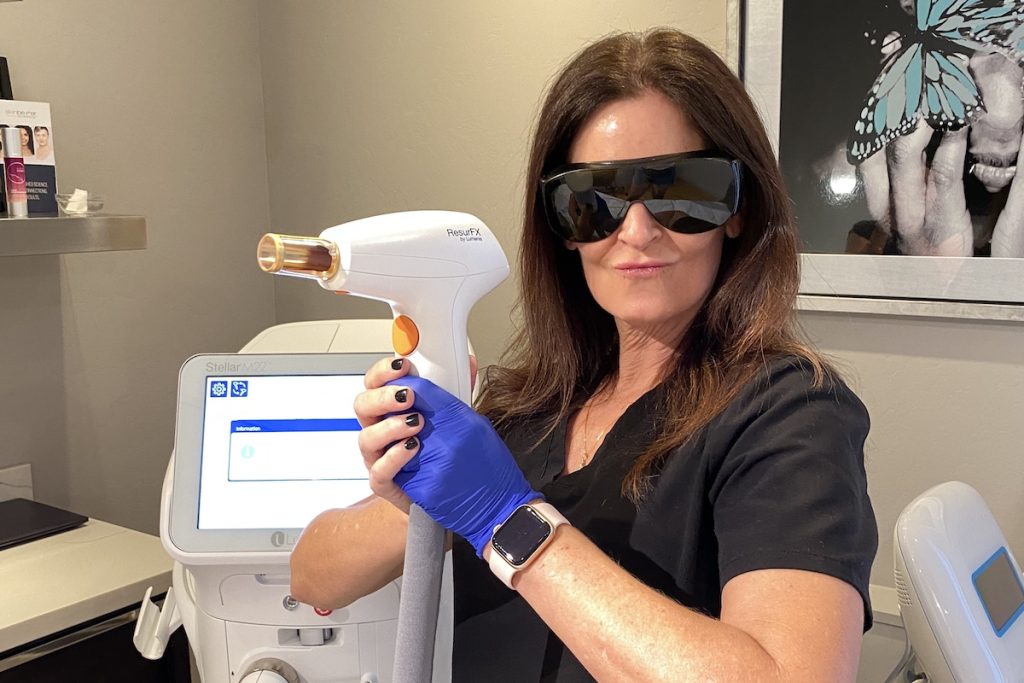
New devices and variations are continually being developed, and many technologies can be configured to address different concerns. However, most laser and light-based skin treatments fall into several major categories.
1. Intense Pulsed Light (IPL)
IPL uses broad-spectrum, filtered light rather than a single laser wavelength. Because IPL can target both melanin and hemoglobin, it is particularly useful when pigmentation and redness are among the primary concerns.
2. Non-Ablative Lasers
Non-ablative lasers heat targeted structures within the skin without intentionally removing the outer skin surface.
This controlled heating can stimulate collagen production and improve the appearance of:
- Fine lines
- Mild wrinkles
- Sun damage
- Uneven skin texture
- Certain types of scarring
Some non-ablative treatments are fractional, meaning they deliver energy in tiny, targeted columns while leaving surrounding tissue untreated. These treatments generally involve less downtime than ablative resurfacing, although multiple sessions are recommended to achieve the desired improvement.
3. Ablative Lasers
Ablative lasers remove controlled portions of the skin’s surface. They are used for more intensive skin resurfacing.
Two common examples are:
- CO₂ lasers
- Erbium lasers
Ablative treatments can improve deeper wrinkles, deep/pitted acne scars, significant sun damage, and pronounced textural concerns. Because they intentionally remove skin tissue, they require more recovery and careful aftercare. They also carry greater risks than many non-ablative treatments.
4. Fractional Lasers
Both ablative and non-ablative lasers can use fractional delivery. Fractional describes how laser energy is delivered. Rather than treating the entire skin surface uniformly, fractional lasers create microscopic treatment zones surrounded by untreated tissue.
Fractional technology can be used to address:
- Fine lines and wrinkles
- Acne scarring
- Uneven skin texture
- Sun damage
- Selected pigmentation concerns
5. Vascular Lasers
Vascular lasers are designed to target hemoglobin within blood vessels.
Depending on the wavelength and device, they can help treat:
Broken capillaries
Certain visible blood vessels
Persistent redness
Selected vascular lesions
Some manifestations of rosacea
6. Pigment-Targeting Lasers
Some lasers are specifically designed to target unwanted pigment.
Examples include pico lasers.
They may be used for selected:
- Sun spots
- Pigmented lesions
- Tattoo pigment
- Other forms of unwanted pigmentation
An important caution: Not every brown spot is simply sun damage. Some pigmented lesions require medical evaluation before cosmetic treatment. Melasma, for example, can be aggravated by certain energy-based procedures.
7. Heat and Radiofrequency
Not all skin rejuvenation treatments rely on light energy. Radiofrequency microneedling devices such as Morpheus8 combine tiny insulated needles with controlled radiofrequency energy to stimulate collagen remodeling deep within the skin. These treatments are often used for:
- Acne scars
- Fine lines and wrinkles
- Enlarged pores
- Mild skin laxity
- Crepey skin
- Overall skin rejuvenation
Rather than targeting pigment or surface damage, radiofrequency microneedling creates controlled heat beneath the skin. This thermal stimulation encourages the production of new collagen and elastin while helping tighten and strengthen the skin over time.
How Do You Know Which Laser Facial Is Best for Your Skin?
If you’ve searched for the best laser facial, you’ve probably discovered that everyone seems to have a different answer. That’s because there isn’t one best treatment. The right laser depends on your skin, your concerns, your medical history, and the results you’re hoping to achieve.
Skin Tone Matters
One of the most important factors in selecting a laser or light treatment is skin tone. Melanin absorbs certain wavelengths of light. Because patients with more melanated skin have greater amounts of epidermal melanin, some treatments carry a higher risk of unwanted heat absorption and pigment changes.
Potential complications include:
- Post-inflammatory hyperpigmentation
- Hypopigmentation
- Burns
- Blistering
- Scarring
This doesn’t mean patients with darker skin tones cannot receive laser treatments. It means that technology selection, treatment settings, and provider experience are especially important.
IPL, for example, is generally better suited to lighter skin tones and may not be appropriate for many patients with darker skin tones.
Other Factors That Influence Treatment Selection
Your provider should also consider:
- The type and severity of sun damage
- Whether pigmentation is related to sun exposure, melasma, or another condition
- The depth and type of acne scarring
- Skin thickness and texture
- History of cold sores
- Medications and supplements
- Previous laser treatment
- Medical conditions that could affect healing
- Your ability to accommodate recovery time
- Your expectations and long-term skin goals

How to Choose a Safe and Experienced Laser Provider
Laser treatments are medical procedures, even when they’re marketed as quick lunchtime facials. The device matters, but the person using it matters more. A sophisticated laser in inexperienced hands is not a recipe for beautiful skin. It’s a recipe for potential complications.
Know Who Is Performing Your Treatment
Ask about the credentials, training, and experience of the person performing your procedure. Depending on the state and the treatment, different licensed professionals may be permitted to operate laser devices. State regulations also vary regarding medical supervision.
Look for a practice that can clearly explain:
- Who will evaluate your skin.
- Who will perform the treatment.
- What medical training and laser-specific experience they have.
- Who is responsible for medical oversight.
- Who will manage complications if they occur.
Look Beyond the Machine
An expensive machine does not automatically make someone an expert. A qualified provider should understand skin anatomy, how different wavelengths interact with tissue, how to select appropriate settings, and how skin tone affects treatment risks. They should also recognize when a patient is not an appropriate candidate.
Red Flags to Watch For
Be cautious if a provider:
- Recommends the same treatment to everyone.
- Doesn’t review your medical history.
- Doesn’t assess your skin tone or pigmentation concerns.
- Guarantees specific results.
- Minimizes potential side effects.
- Cannot explain what technology they’re using.
- Offers no clear preparation or aftercare instructions.
- Pressures you to purchase a package before adequately evaluating your skin.
Questions to Ask Before Getting a Laser Facial
Safety is sexy! Never feel uncomfortable asking questions before a medical procedure. A good provider should welcome them.
Here are some questions worth asking:
- What specific device and technology will you be using?
- Why is this treatment appropriate for my skin?
- How much experience do you have treating my skin type and concerns?
- What are the potential risks and side effects for someone with my skin type?
- Who will perform the procedure, and what are their credentials?
- What results can I expect?
- How many treatments will I need?
- What is the expected recovery time?
- What should I avoid before and after treatment?
- Who do I contact if I experience an unexpected reaction or complication?
If someone seems annoyed that you’re asking about the safety of a medical procedure, that’s a pretty good reason to keep looking.
What to Expect Before, During, and After Your Laser Treatment at MMMD
Proper preparation is one of the most important factors in achieving safe, beautiful results. Whether you’re receiving gentle IPL or a more intensive CO₂ treatment, understanding the process helps you prepare for a successful recovery.
Pre-Treatment
For both IPL and CO₂ laser treatments, please arrive with clean skin and avoid self-tanners, tanning beds, and unprotected sun exposure for at least two weeks before treatment.
During Treatment: What Does It Feel Like?
Gentle IPL
IPL uses broad-spectrum light to target pigmentation, sun damage, redness, and visible blood vessels. Most patients describe the sensation as a quick, warm snap against the skin. Treatment is generally well tolerated; while numbing is typically unnecessary, we offer cooling devices and other comfort measures as needed. Treatment time typically ranges from 20 to 30 minutes, depending on the area being treated.
Deep CO₂ Laser Resurfacing
Before treatment, the skin is thoroughly numbed to maximize comfort. Patients often describe the sensation as warm, prickly, or similar to a strong sunburn. Treatment time generally ranges from 45 to 75 minutes, depending on the size of the treatment area and the depth of resurfacing required.
Post-Treatment: What Happens After Your Laser Facial?
This is where the difference between gentle IPL and deep CO₂ becomes particularly noticeable.
Gentle IPL
One of the advantages of IPL is minimal downtime.
Following treatment, you may experience:
- Mild redness
- Warmth or temporary sensitivity.
- Temporary darkening of brown spots before they flake away.
Pigmented spots often appear darker for several days before gradually fading. Most patients return to normal activities immediately.
Daily sunscreen use and diligent sun protection are essential to protect your results and prevent future pigment formation.
Deep CO₂ Laser Resurfacing
CO₂ laser resurfacing requires more recovery time but delivers more dramatic improvements in skin quality and texture.
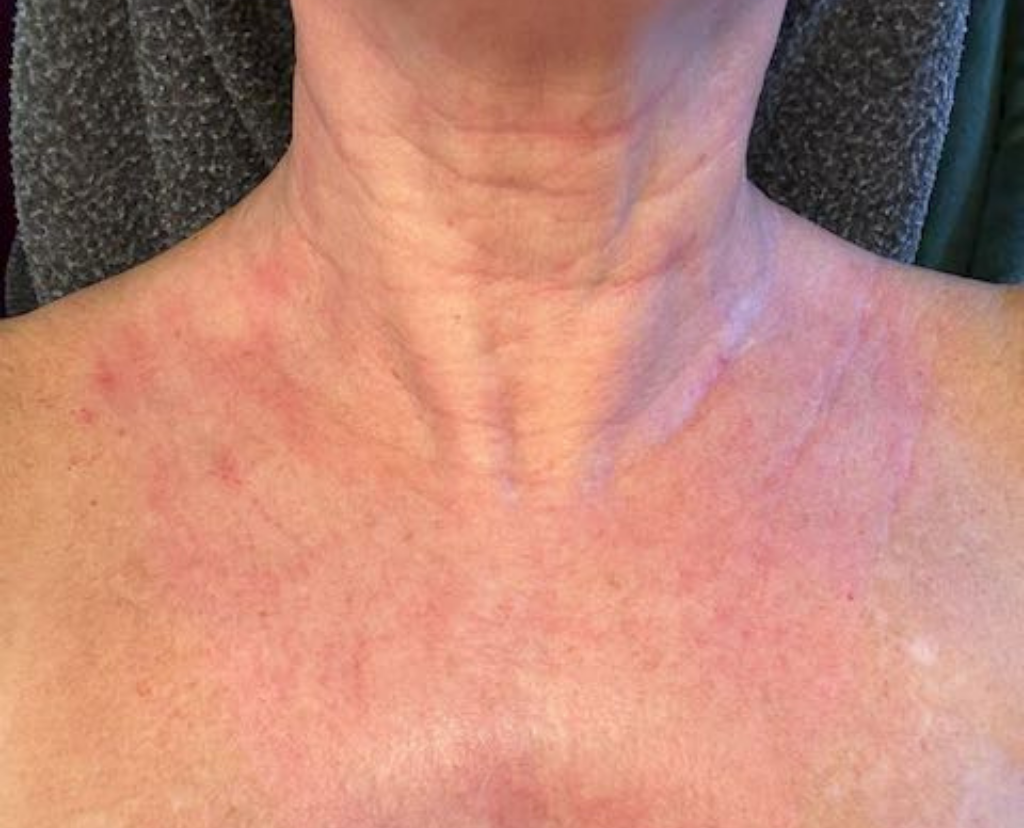
Following treatment, it is normal to experience:
- Redness and swelling
- Tightness and a sunburned sensation.
- Peeling and shedding.
- Temporary skin sensitivity.
As your skin regenerates, fresh new skin emerges, and collagen remodeling begins beneath the surface.
Our team will provide detailed aftercare instructions, including:
- Gentle cleansing protocols
- Specialized moisturizers and healing products
- Strict sun protection guidelines
- Follow-up care to support optimal healing
Most patients feel comfortable returning to normal activities within about a week, although redness and peeling can persist longer depending on the depth of treatment. Complete healing and recovery of the skin barrier take longer than simply feeling ready to resume your usual routine.
Improvements continue for months as new collagen develops and the skin becomes smoother, firmer, and more refined.
Are Laser Facials Safe? Risks and Side Effects
Laser and light-based treatments can be very effective when performed appropriately, but no medical procedure is entirely risk-free.
Common Temporary Side Effects
Depending on the treatment, patients may experience:
- Redness
- Swelling
- Warmth
- Temporary sensitivity
- Darkening of pigmented spots
- Peeling and flaking
- Temporary changes in skin texture
Less Common Complications
Potential complications include:
- Burns and blistering
- Hyperpigmentation or hypopigmentation
- Scarring
- Infection
- Prolonged redness
- Cold sore reactivation
- Eye injury if appropriate protective measures are not used.
Ablative treatments such as CO₂ generally involve more significant risks than gentler light-based procedures because they intentionally injure and remove skin tissue.
How Long Do Laser Facial Results Last?
One of the most common questions patients ask is whether laser results are permanent.
The answer depends on the treatment, the condition being addressed, and how well you care for your skin afterward.
How Long Do IPL Results Last?
IPL can provide meaningful improvement in selected pigmentation and vascular concerns. Some patients see noticeable changes after one treatment, while most benefit from a series of treatments.
IPL doesn’t stop the aging process or prevent future sun damage. New pigmentation can develop over time, particularly with continued UV exposure. Consistent sun protection and an appropriate skincare routine are important for maintaining results.
How Long Do CO₂ Laser Results Last?
CO₂ resurfacing can produce long-lasting improvements in skin texture, selected wrinkles, and acne scarring. Because the treatment stimulates collagen remodeling, improvements continue for several months following the procedure. Results can last for years, although natural aging, environmental exposure, and lifestyle factors continue to affect the skin.
How Can You Maintain Your Results?
A good maintenance routine should include:
- Daily broad-spectrum sunscreen
- Consistent skincare appropriate for your skin type
- Retinoids when appropriate and tolerated
- Avoidance of excessive sun exposure
- Regular professional skin assessments
- Individualized maintenance treatments when indicated.
Laser treatments can address existing damage, but they don’t make your skin immune to future damage. Your sunscreen still has a job.
Is CO₂ Laser Resurfacing Worth the Downtime?
For the right patient, absolutely.
Modern aesthetics has created a culture of instant gratification. Everyone wants dramatic results with no recovery, no peeling, no redness, and no inconvenience.
Unfortunately, skin doesn’t always cooperate with our schedules.
Some of the most effective treatments in aesthetic medicine take time. When you invest in a properly planned laser treatment, you’re investing in more than a temporary cosmetic improvement.
Ready to Get Crispy?
Your skin is with you for life. It deserves more than a trendy treatment, a quick fix, or a one-size-fits-all approach. Whether you’re looking to address years of sun damage, improve skin texture, reduce redness, or invest in long-term skin health, the first step is understanding what your skin actually needs.
At MMMD, we take the time to evaluate your skin, understand your concerns, and recommend treatments based on your individual needs, not what’s trending on social media.
Ready to find out what your skin needs? Schedule a consultation to explore whether Gentle IPL, Deep CO₂ Laser Resurfacing, or another treatment approach is right for you.
READ
MORE

Unlock Your best skin Ever
Join our mailing list for exclusive monthly offers, skin care specials, and first-access to new treatments and events.