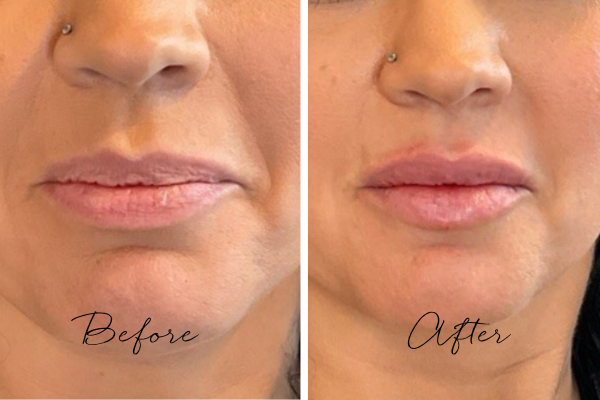
Why do some people keep their naturally plump, smooth look while others see more sagging, fine lines, or changes in firmness at the same age? The answer is collagen. Think of collagen as the scaffolding that keeps skin supported, firm, resilient, and lifted. Without it, your skin would have very little structure.
As a medical doctor in the field of Aesthetics, one of the questions I hear most often, usually right after someone asks about retinol, is how to keep skin looking supported and healthy over time. So let’s walk through this together. I will share the science behind collagen, why it matters for both skin health and appearance, the habits that weaken collagen, and the treatments and products that truly help.
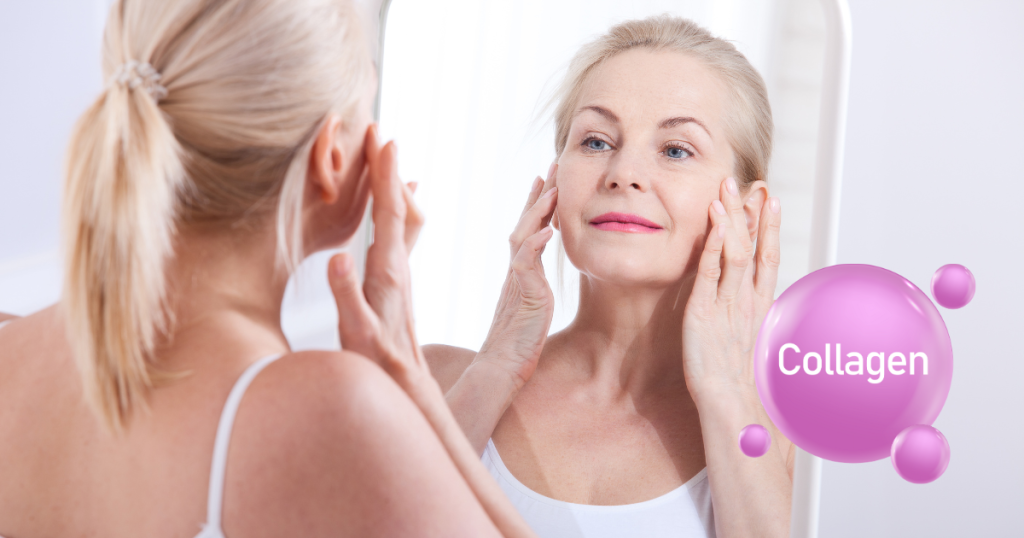
What Is Collagen and What Does It Do for Your Skin
The body contains at least 28 types of collagen, but skin relies mostly on Types I and III. Type I accounts for about 90% of all collagen. These two types work with elastin and hyaluronic acid to create the supportive matrix that keeps skin lifted, supple, and hydrated. Elastin provides the bounce, hyaluronic acid holds water like a sponge, and collagen is the framework that holds everything up.
Collagen is always in motion. It constantly breaks down and rebuilds. When we are young, we make more collagen than we lose. With time, this balance changes, and the first signs often appear as fine lines, sagging, or changes in texture.
Supporting collagen production as we age helps maintain the strength and elasticity of the skin, which is the body’s largest organ. Collagen also plays a major role in healing. It is why a child’s scrape heals almost overnight, while a bruise on an older adult lingers.
What Happens to Collagen as We Age
Collagen production starts to decline in your mid-twenties. Yes, your twenties. By the thirties, your hormone levels start to change, and the body loses about one percent of its collagen each year. It sounds small, but over time, it changes the firmness and texture of the skin in visible ways.
This slow, steady shift affects skin elasticity, bone density, and ligament strength. On the surface, it often appears as crepey texture, sagging, and wrinkles. In general your skin just does not rebound the way it once did. Excessive sun exposure is the number one cause of collagen loss. UV radiation harms collagen fibers and turns on enzymes that break them down even faster. Pollution, poor sleep, smoking, and high sugar intake all add to the stress on collagen.
During perimenopause and menopause, the link between estrogen and collagen becomes even clearer. Estrogen helps fibroblasts produce collagen. When estrogen levels dip, collagen production does as well. Many women notice new fine lines, changes in firmness, slower healing, or a sense that their skin feels different almost overnight. None of this is imagined. It is physiology at work.
How to Stimulate Collagen
Collagen molecules are too large to move through the skin barrier, so you cannot apply collagen topically and expect it to rebuild deeper layers. Oral collagen supplements show some promise for hydration and elasticity, but existing research is not consistent. The good news is that there are proven ways to help your skin produce its own collagen both at home and in clinic.
Nutrition and Lifestyle Factors
A nutrient-rich diet that includes protein, vitamin C, zinc, copper, and antioxidants gives your fibroblasts the building blocks they need to create collagen. Vitamin C is especially important because without it, collagen simply cannot form. But here is where the conversation often gets muddied.
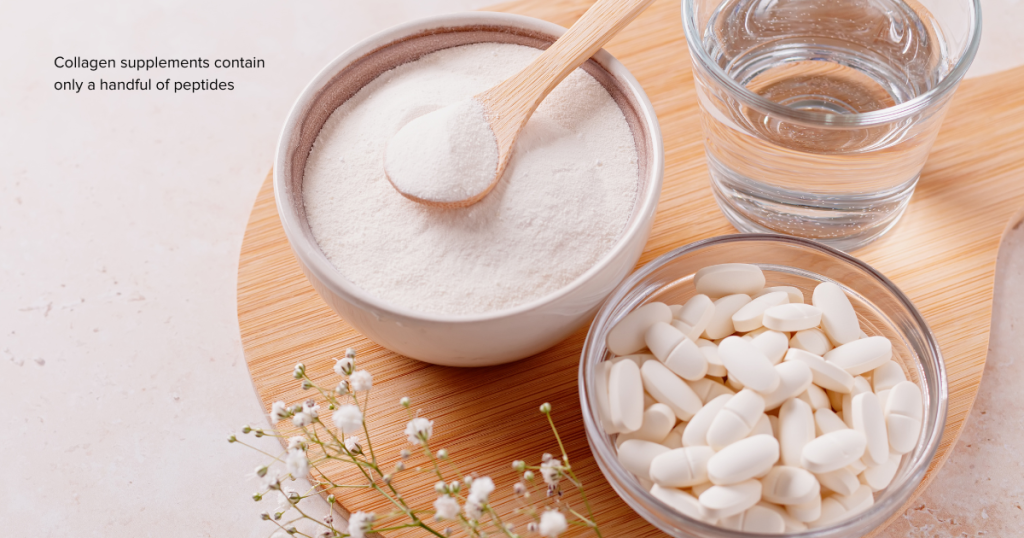
People ask me all the time if collagen supplements will help their skin. Probably not. Collagen supplements contain only a handful of peptides, and they are not the rare or hard-to-produce peptides your skin struggles to make. Most people eating a typical Western diet are not collagen-deficient. The real issue is that our cells naturally slow down with age and need stronger signaling to turn up the machinery that makes collagen. In other words, you cannot force collagen production by tossing more ingredients into the system. You need to wake the cell up and tell it to work harder.
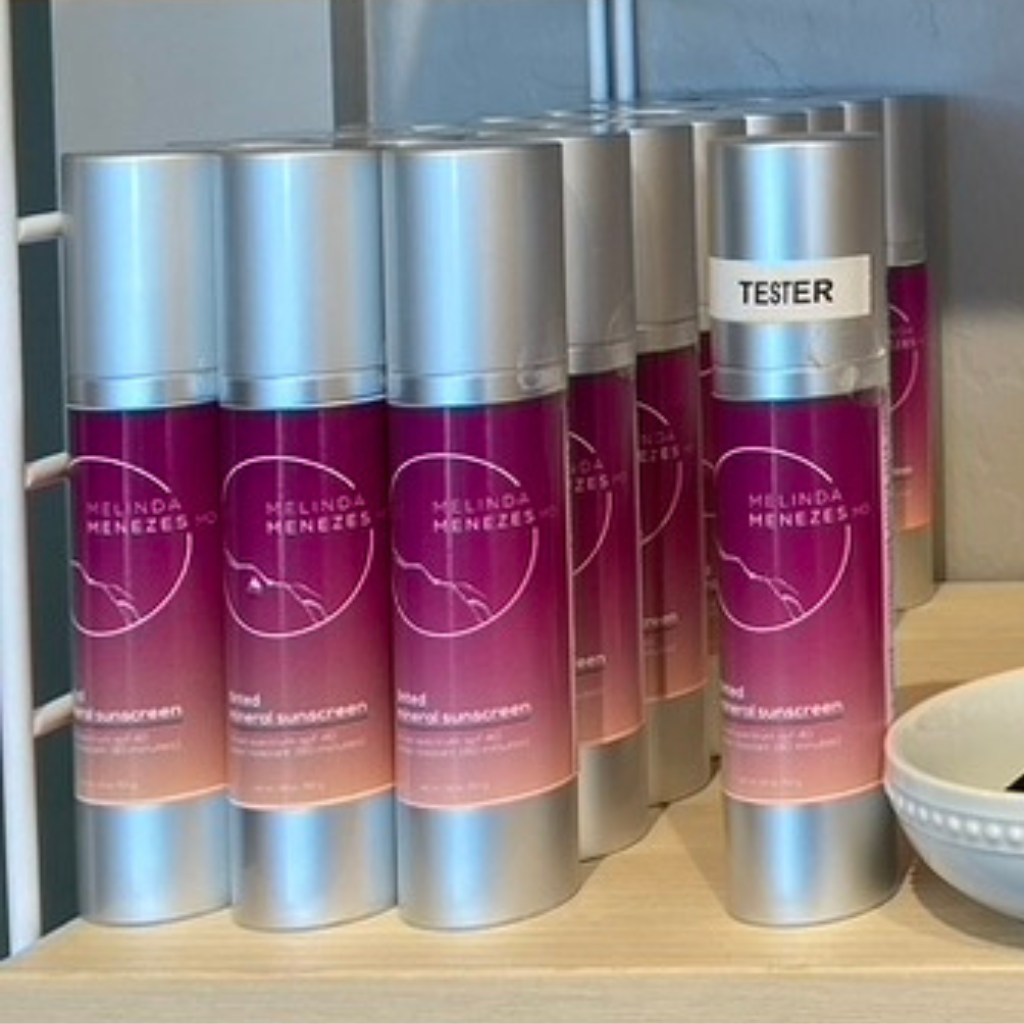
And no matter how balanced your diet is, sun protection remains the strongest anti-aging tool we have. UV exposure breaks down collagen faster than anything else, and applying a broad-spectrum sunscreen daily is essential to protect the collagen you are working so hard to build.
Lifestyle matters too. Consistent sleep and manageable stress levels give your skin room to repair itself. Deep sleep triggers the release of growth hormone, which supports cellular repair and collagen production. Chronic stress elevates cortisol, which breaks collagen down and slows healing. Perfection is not required, but being consistent is where results start to show up.
At-Home Skin Care Products
Over-the-counter products simply do not have the concentration or delivery systems needed to reach the layers where collagen is actually made. Medical Grade Skin Care is different because it uses stable, potent formulas that can move deeper in the skin and create real, measurable change. It also surprises many patients to learn that heavy moisturizers can slow down the skin’s natural production of structural proteins.
Your skin has a built-in feedback loop. When the surface is coated with oils and moisture, the dermis receives the signal that it does not need to work as hard, and collagen production can ease up. The goal is not to deprive your skin. It is to use products that support its own intelligent repair system rather than replace it.
Retinoids remain the gold standard for topical products supporting collagen production. Retinol and prescription tretinoin increase cell turnover and activate genes involved in collagen and elastin formation. These tiny molecules do significant work, and their results build steadily with consistent use.
Vitamin C serums protect existing collagen from stress and encourage new collagen to form. The key is a stable formula. Many drugstore versions oxidize before your skin has a chance to benefit.
Peptides act as messengers that signal fibroblasts to build more collagen.
Growth factors and exosomes are advanced repair messengers that support healing and renewal. These ingredients work best in a guided regimen because proper timing and layering matter.
The Most Effective In-Clinic Collagen-Stimulating Treatments
If you want dramatic improvement in skin elasticity, firmness, and texture, pairing in-office treatments with skin care and sun protection is where the magic happens. Some of these options work by creating a controlled injury that triggers your body’s natural healing response, which remodels tissue from the inside out.
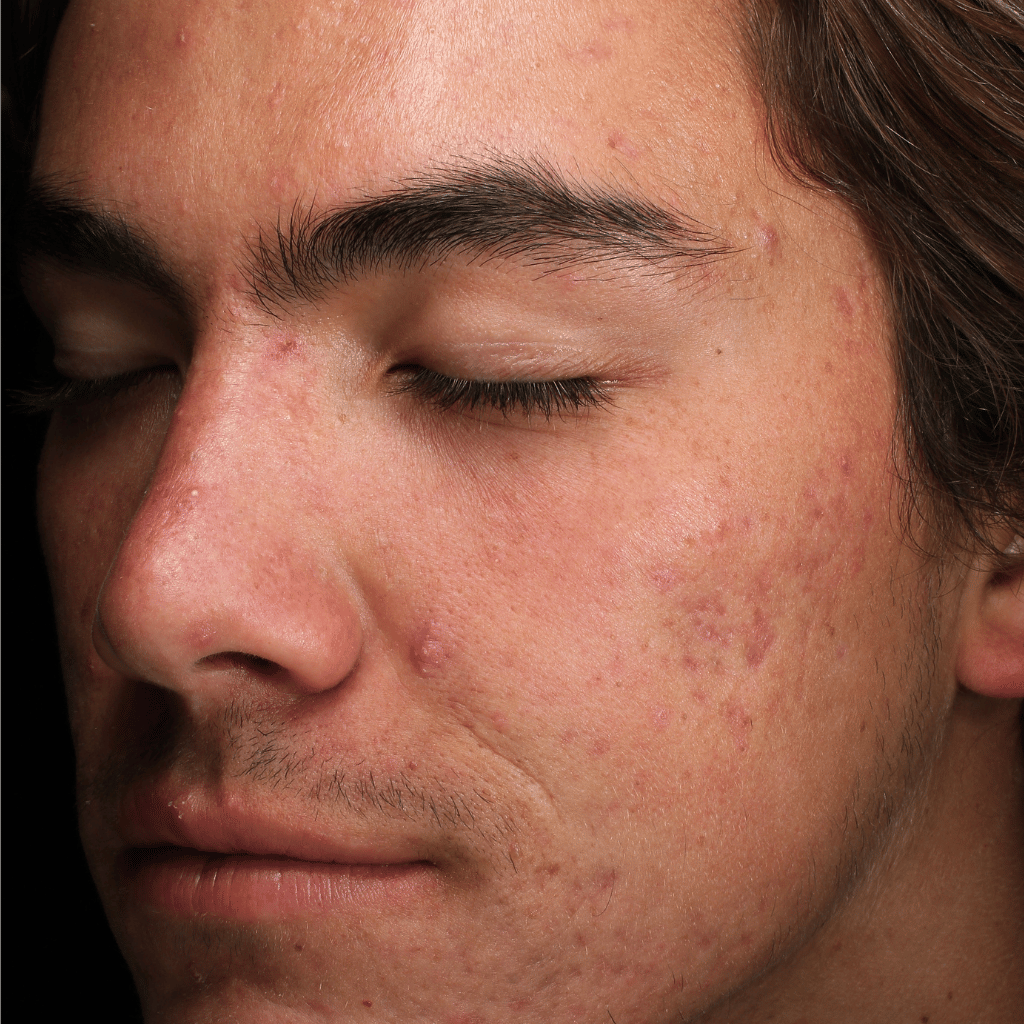
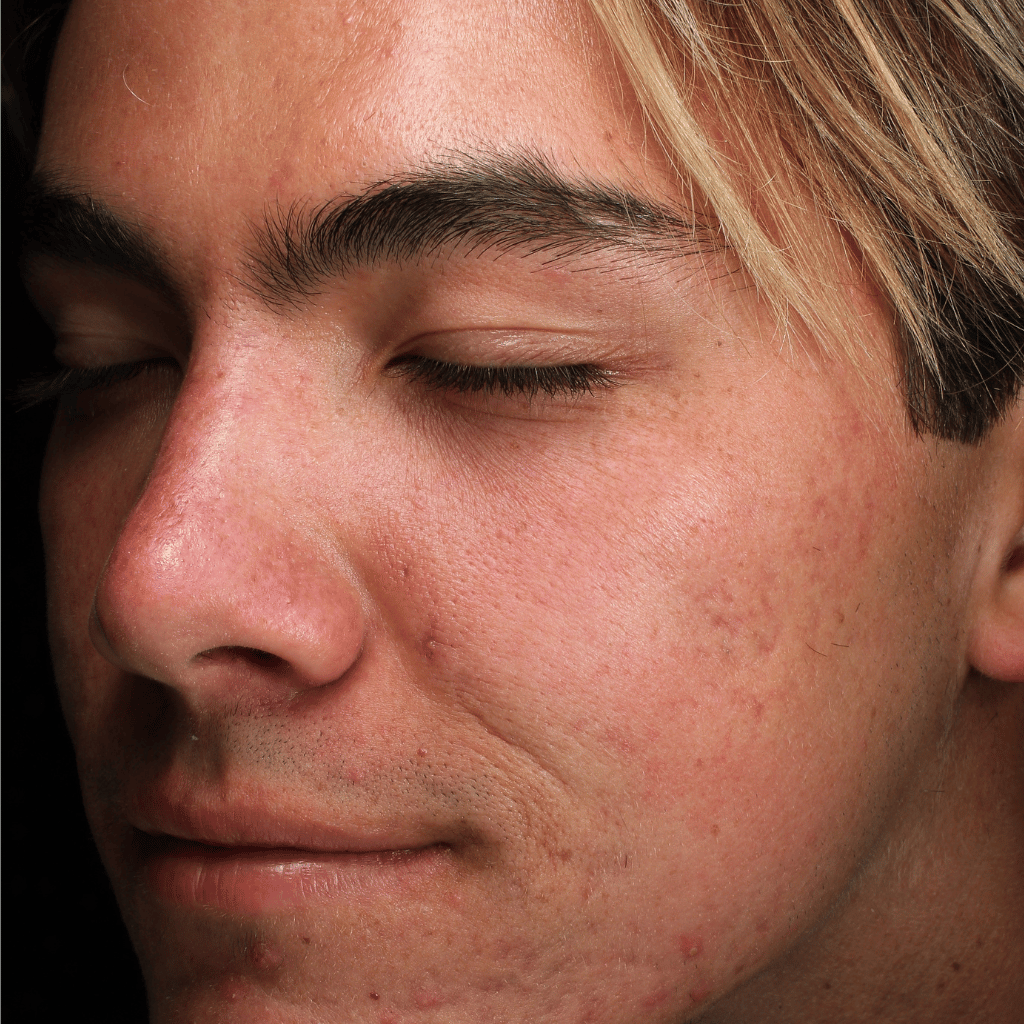
Collagen Induction Therapy (CIT) or Microneedling
Microneedling uses tiny needles to create controlled micro-injuries in the skin. It sounds intense, although most patients describe it as a light scratchy feeling. These micro channels activate your natural healing process, which improves acne, texture, reduces the look of pores, and evens skin tone.
When microneedling is paired with platelet-rich fibrin or salmon DNA serums, as we do in the Glass Skin Facial, the collagen response becomes stronger. PRF contains growth factors that support rapid healing and boost collagen formation. Patients enjoy the immediate glow and the steady improvement that continues over time.
Downtime is minimal, with usually a day or two of redness. The treatment works well for many skin types and is one of my favorite choices for patients who want collagen support without more invasive procedures or a long recovery. Microneedling is especially great for darker skin tones because there is no heat element, which can sometimes cause discoloration on darker skin tones.
Glass Skin Facial
What is glass skin? If you’ve ever admired the impossibly smooth, light-reflecting skin made famous by Korean beauty, you’ve seen glass skin. It’s not a filter. It’s healthy, hydrated skin functioning at its best. One of the most powerful tools used to achieve this look is PDRN, a compound derived from Salmon DNA. Known as the “youth vaccine” in South Korea, PDRN stimulates skin regeneration, improves hydration, and accelerates healing.
We’ve paired the best elements of our medical facial with microneedling and PDRN in our Glass Skin Facial. If hydration and collagen is what you’re after, this treatment is a power house!
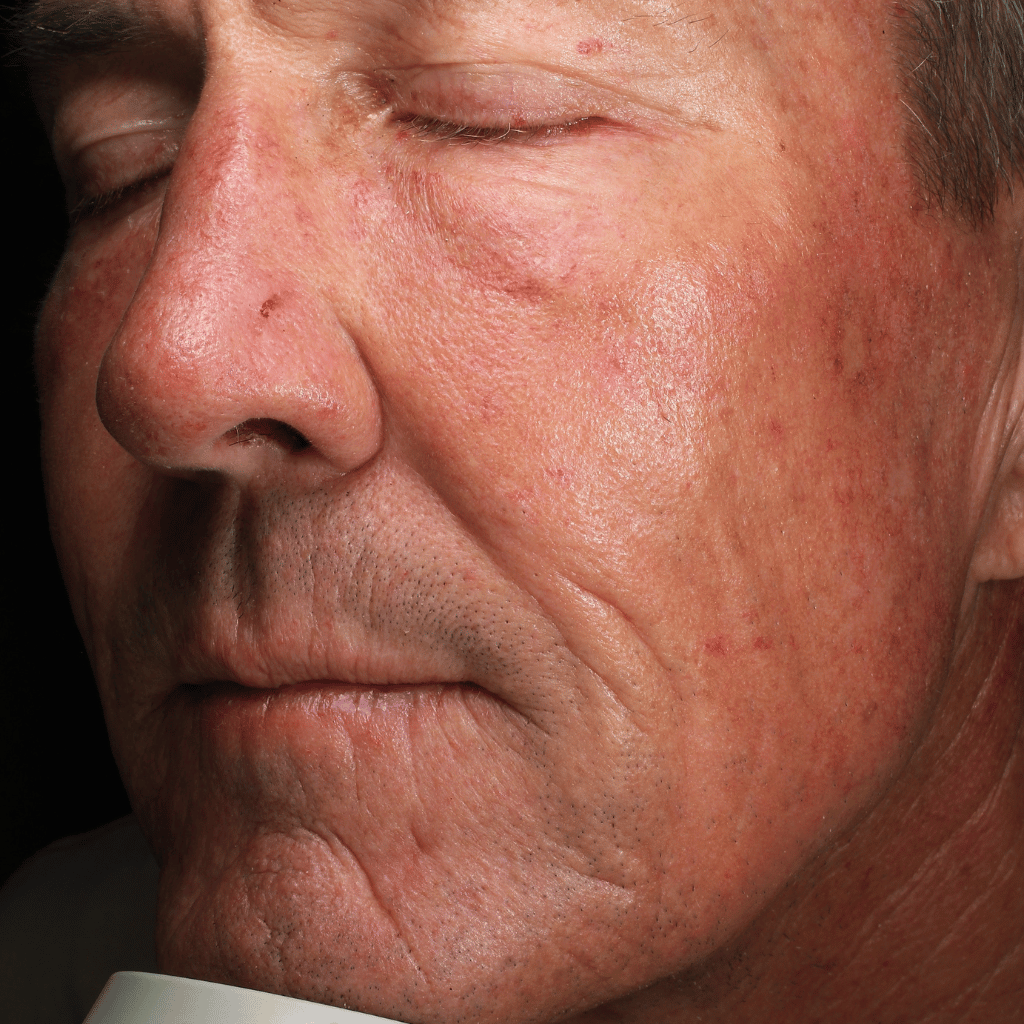
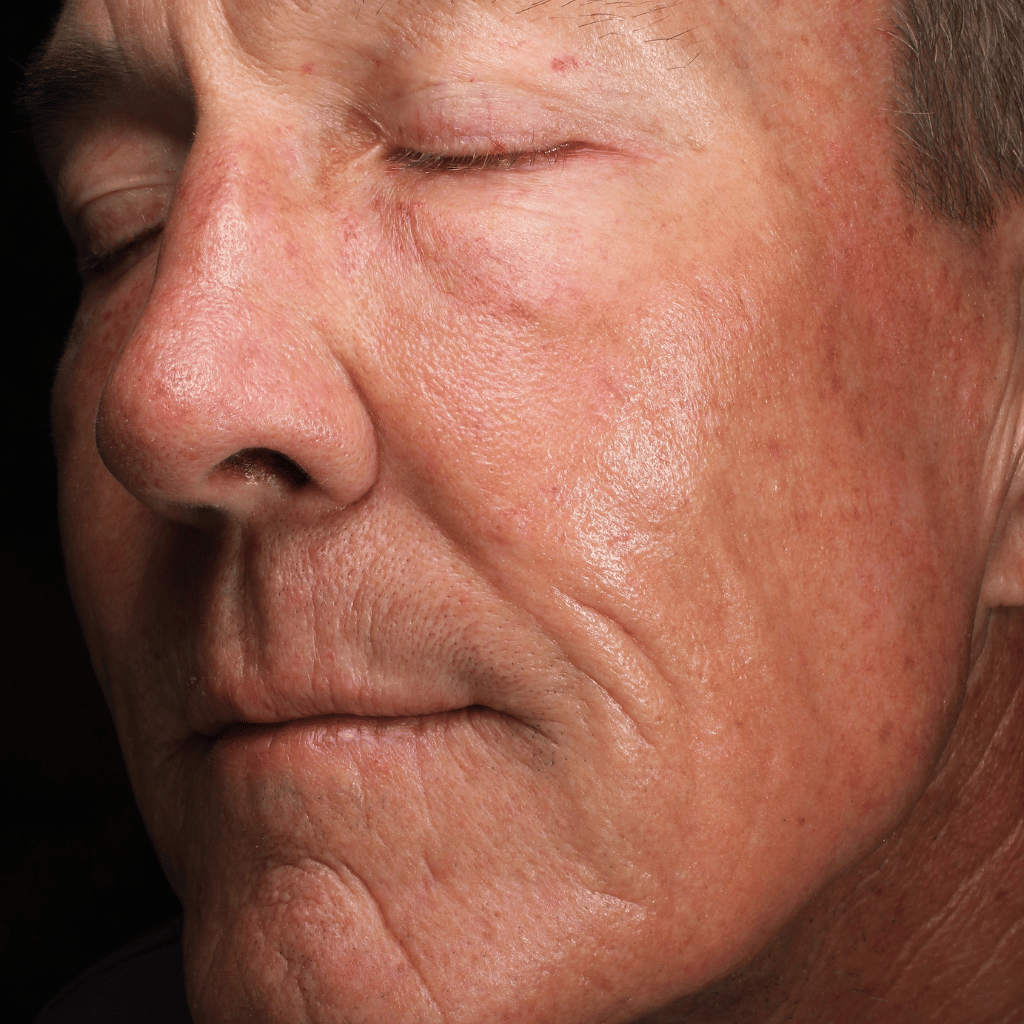
Morpheus8 Radiofrequency Microneedling
Morpheus8 is a combined treatment that uses microneedling with radiofrequency energy. The needles reach deeper layers of the skin and deliver controlled heat. This encourages collagen production at several depths, which is why the treatment is so effective for tightening and lifting.
Morpheus8 is a strong option for patients with moderate or more noticeable laxity on the face, neck, jawline, or arms. Results build gradually over a series of treatments and over the course of three to six months. After treatment most patients experience three to five days of redness and swelling. The improvements are significant and last because treatment boosts your body’s collagen building capacity.
Injectable Biostimulators
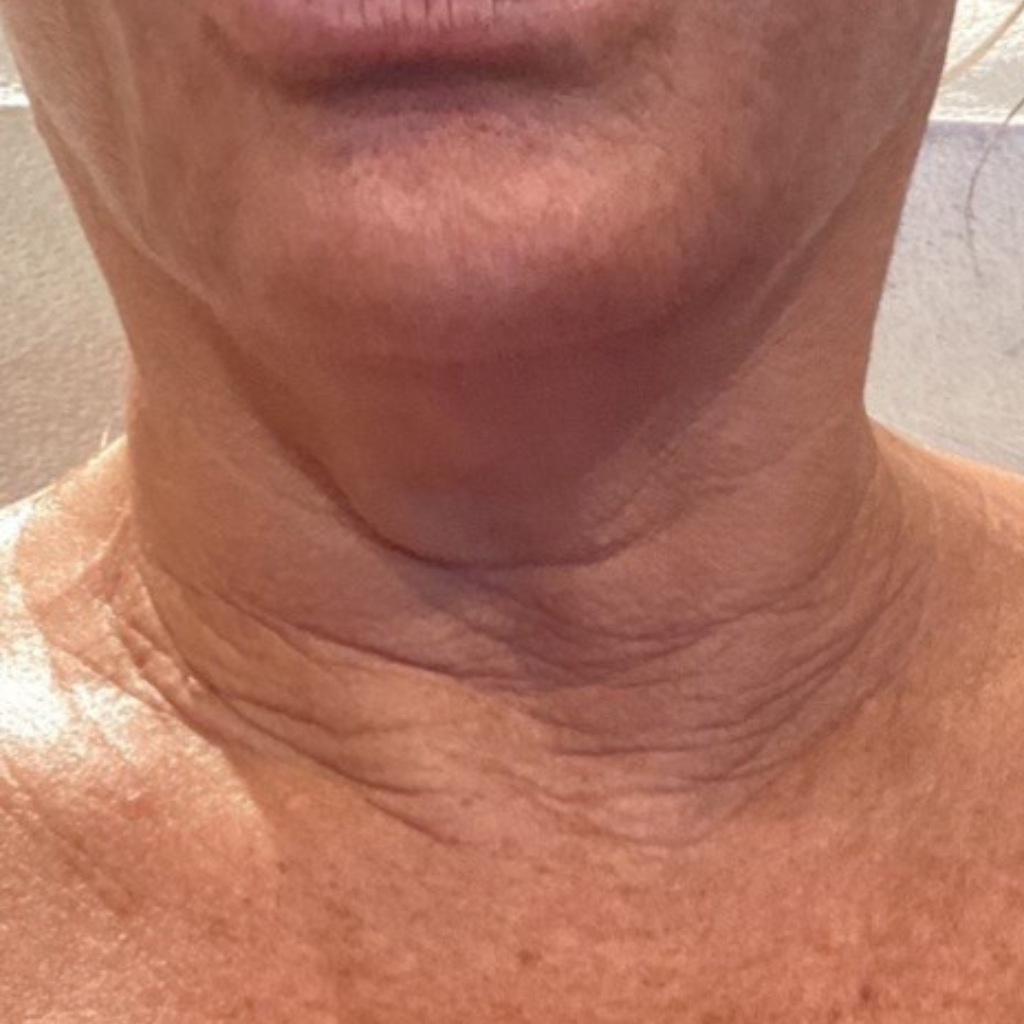
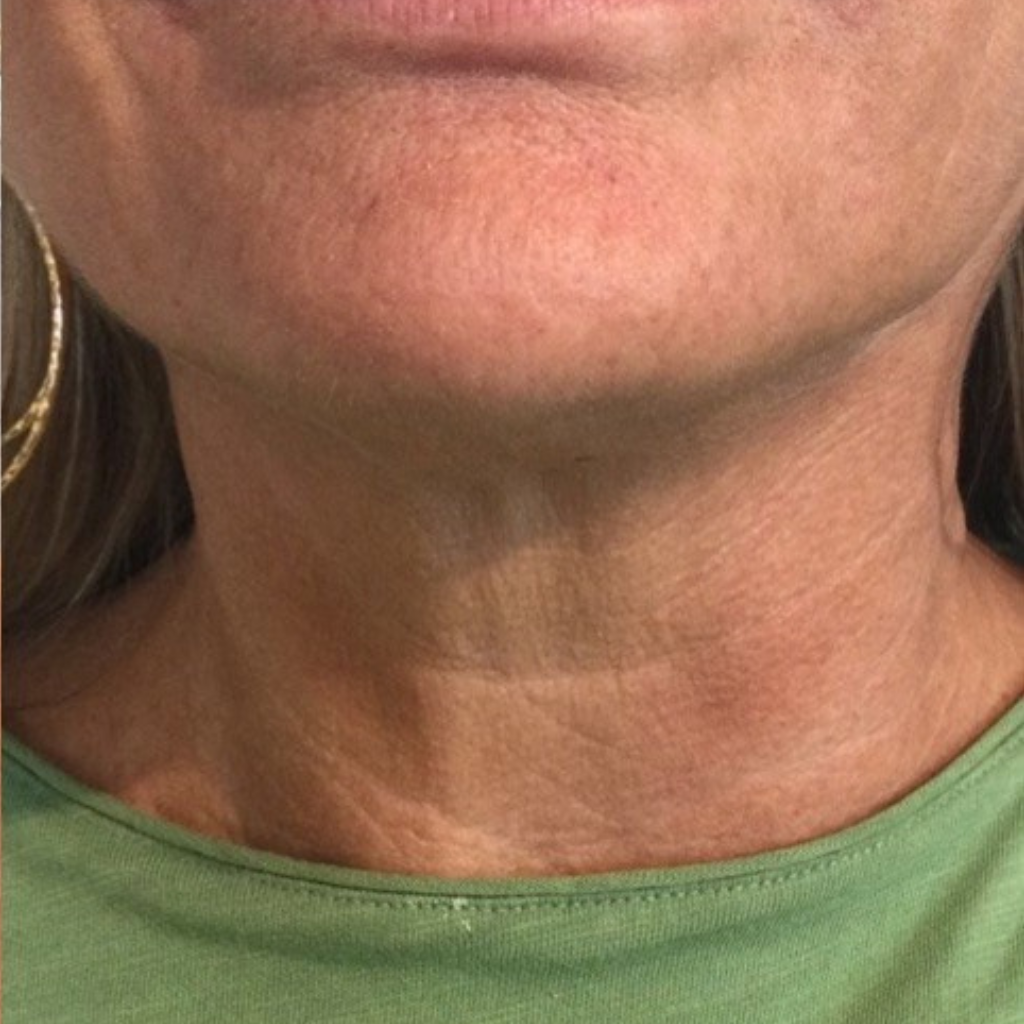
Radiesse and Sculptra are not fillers. They are biostimulators that encourage your body to build collagen over time. The results develop slowly and look natural. Patients notice better structure and firmness that continues to improve for months and can last up to two years.
We can use these products in places where traditional filler is not the best option, such as the hands, chest, and neck. They are also ideal for patients who want overall improvement in skin quality rather than adding volume to one specific area.
Regenerative Aesthetic Treatment
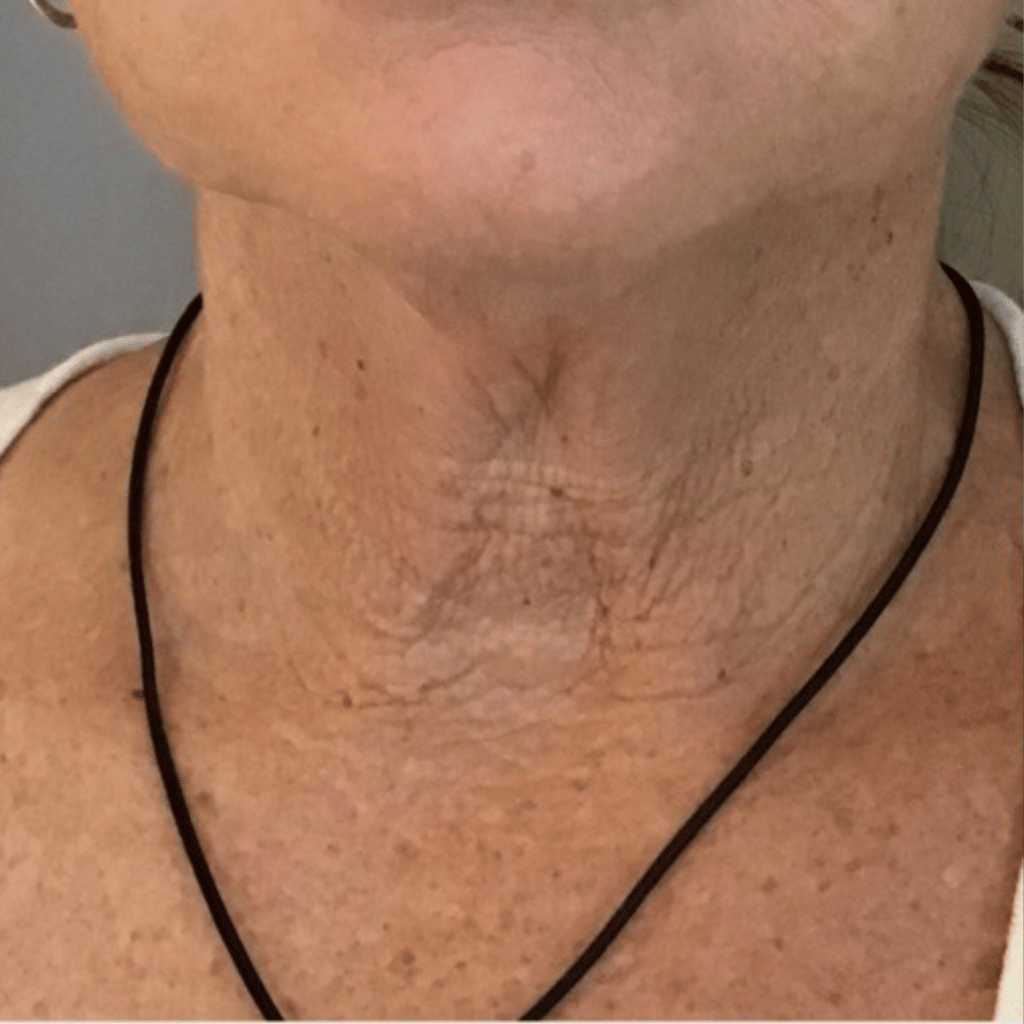
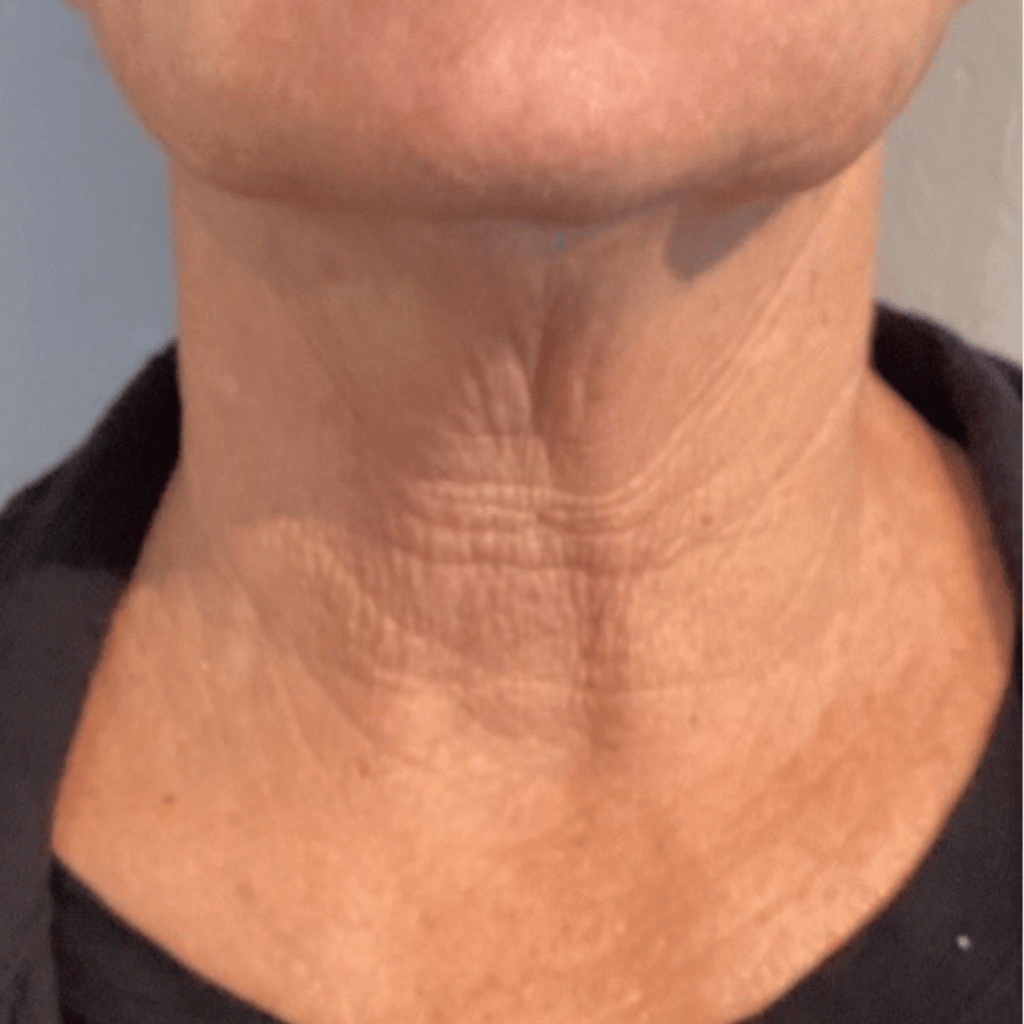
Regenerative treatments have become one of the most exciting areas in Aesthetic Medicine today. Unlike fillers and neurotoxin injections, regenerative treatments work with your own biology to support healthier and more youthful tissue over time.
As a physician, I am excited about regenerative aesthetic treatments because they harness the body’s natural repair mechanisms. Read my complete guide on regenerative treatments, including PRP, Exosomes, PDRN, VAMP, and Ariessence. You will learn what they are, how they work, where they are used, who benefits most, and what to expect during and after treatment.
PDO Threads
PDO threads are absorbable sutures that lift sagging tissue while also supporting collagen production as they dissolve. They are made from polydioxanone, which has been used safely in surgery for many years. Threads offer an immediate lift along with a longer-lasting collagen benefit.
This collagen reboot works well for patients who want more than topical products and other treatments can offer, but are not ready for a facelift. The threads dissolve over 4 to 6 months, leaving behind newly formed collagen that continues to support the skin long after the threads are gone.
ZO Skin Health 3-Step Peel
The ZO 3 Step Peel is a powerfully layered treatment that delivers a high dose of retinol into the skin. We are talking about 6 percent retinol, which is far beyond what you will find in an at-home product and is designed to meaningfully stimulate collagen, smooth texture, and brighten the complexion. This peel works beautifully for seasoned and prepped skin, including skin of color, and offers a deeper level of renewal without the intensity of a laser.
Treatment plans typically include a series of three peels spaced six weeks apart. Each session supports visible improvement in tone and firmness, and the results build on one another. It is an excellent option for patients who have been consistent with daily retinol and are ready for a more advanced, physician-guided boost in their collagen journey.
Red Light Therapy and Lasers
Red light therapy supports cellular energy and repair by stimulating the mitochondria in skin cells. Using our LED Red bed is relaxing, comfortable, and involves zero downtime. It is excellent for supporting recovery after microneedling or Morpheus8 and a great addition to any treatment session.
Fractional lasers such as ResurFX create controlled heat that activates fibroblasts and encourages collagen remodeling. These treatments improve texture, soften wrinkles, and tighten skin over a series of sessions. They require more downtime than red light therapy, although the results are stronger and more visible.
Why Medical-Grade Skin Care Makes a Difference
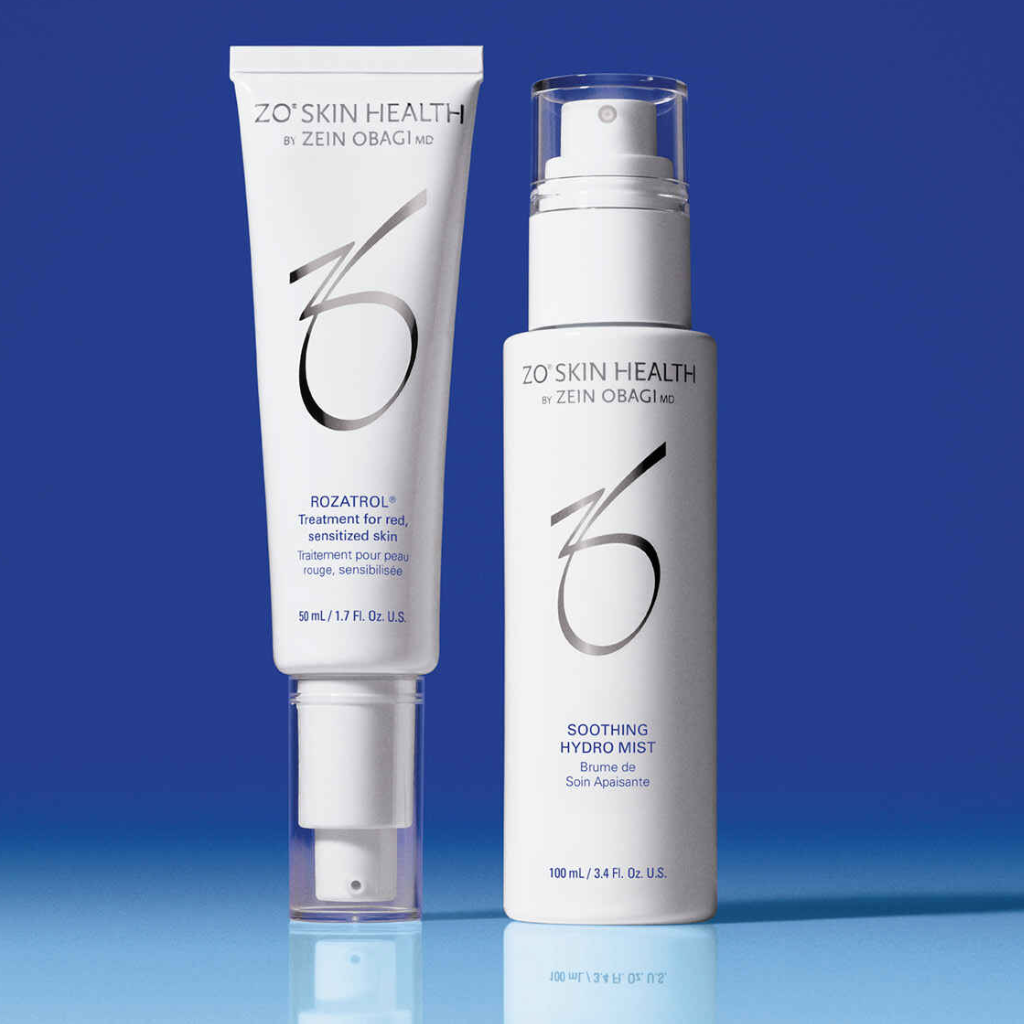
If you have tried many products from the drugstore and still have not seen real change, you are not alone. Over-the-counter products may seem less expensive, but they lack the concentration or stability to reach deeper layers of the skin, so you end up buying more and more without achieving the results you want. Medical-grade products cost more because they contain higher concentrations of active ingredients, meet more rigorous testing and research standards, and are designed to deliver measurable results.
Ingredient Quality Matters
Medical-grade formulas contain proven concentrations of active ingredients that are able to reach the dermis where collagen production happens. Many drugstore products do not contain enough active ingredients to create change or rely on fillers that prevent deeper penetration.
Formula Stability
Formula stability is also important. Ingredients like vitamin C and retinol degrade quickly when exposed to air or light. Medical-grade products use packaging that protects the formula and helps keep ingredients active until they reach your skin.
Clinical Testing
Clinical testing backs the efficacy of Medical-Grade products. They have been studied, tested, and proven to deliver results.
Customization
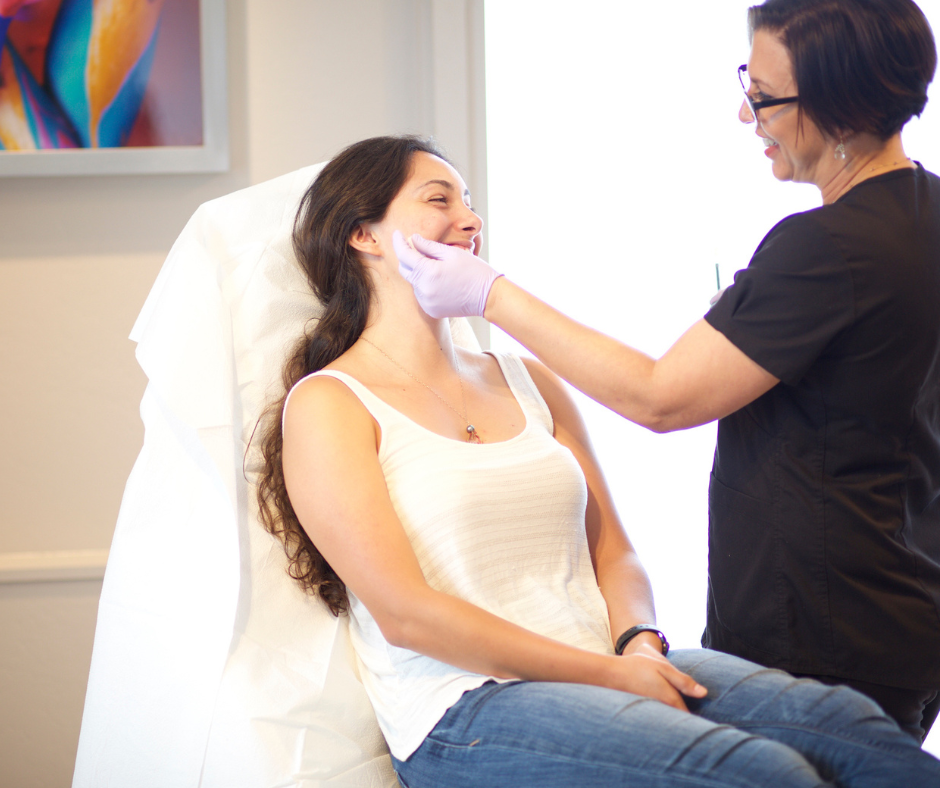
Customization is key. A physician can assess what your skin needs and build a plan that works alongside your in-clinic treatments. This creates a more effective and efficient path to real, personalized results.
Spotlight on ZO Skin Health Peptide Facial Refining Concentrate
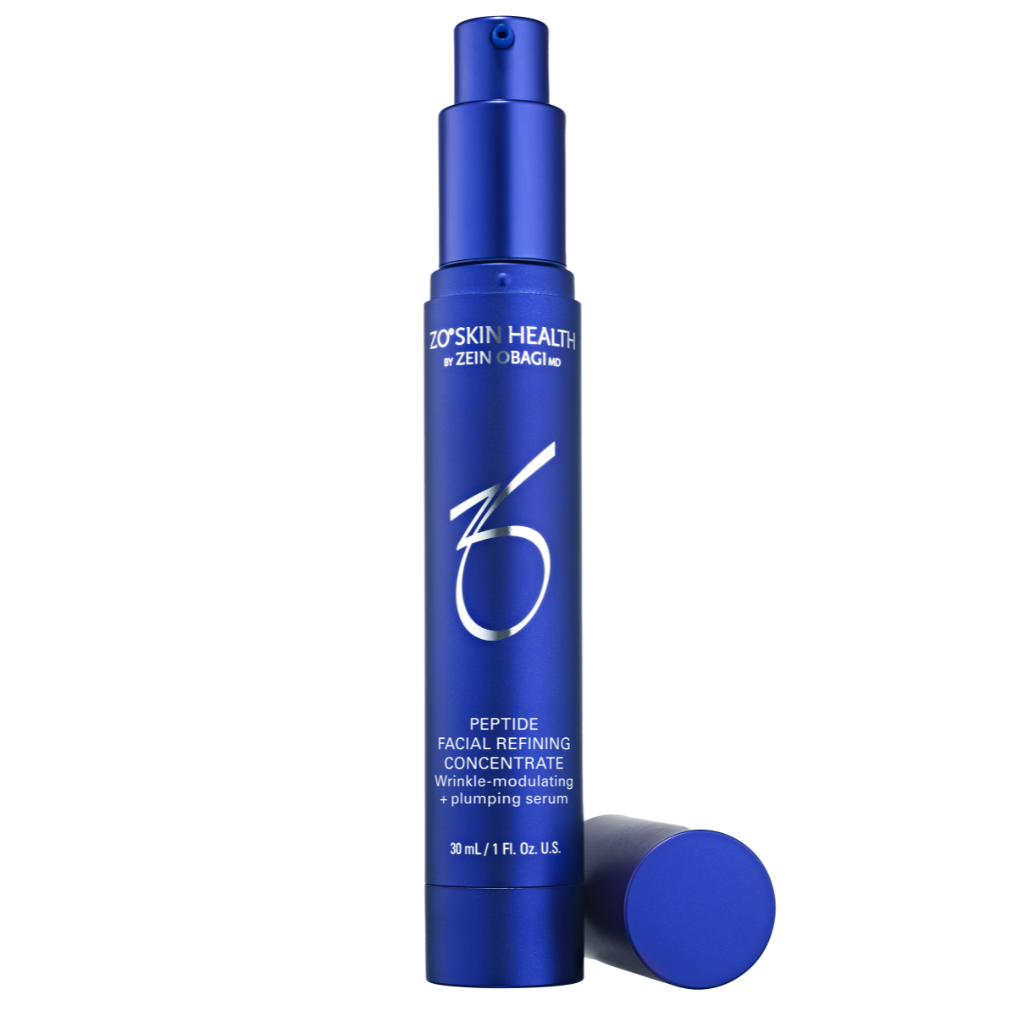
ZO Skin Health’s Peptide Facial Refining Concentrate is one of the most innovative topical formulations I have seen in years, and the results my patients are experiencing speak for themselves.
Meet the Four Peptides Behind the Formula
This formula contains four targeted peptides. Two soften the look of lines from repeated movement, and two signal fibroblasts to increase collagen and elastin. Together, they help the skin look smoother, more supported, and more refined.
How It Complements Collagen-Building Treatments
One of the reasons I love this product is how well it works alongside in-office treatments. The ZO Peptide Facial Refining Concentrate boosts results and speeds up recovery from microneedling, Morpheus8, and laser treatments by helping the skin maximize collagen synthesis during the healing phase. It also pairs beautifully with retinol or growth factor serums for a comprehensive anti-aging routine.
In my fifteen years of practicing Aesthetic Medicine, this is one of the most impressive topical innovations I have used. Patients notice a smoother texture, refined pores, and a natural-looking healthy glow.
If you are serious about stimulating collagen production and improving skin elasticity, this product deserves a place in your routine. But layering it correctly in your existing Skin Fitness plan is important.
Building Your Personalized Collagen Plan
There is no single collagen plan that works for everyone. What benefits your friend may not be what your skin needs. Your skin has its own history and its own needs, and your plan should reflect that.
The best place to begin is a physician-led assessment. During your consultation at my clinic, I evaluate your skin type, concerns, lifestyle, and goals to determine the most effective approach for your skin.
I often suggest combining in-clinic treatments for maximum results. Treatments such as microneedling and medical facials create the perfect environment for collagen building and glass skin results.
Patience is key when it comes to building long-term collagen health. Protecting and maintaining your collagen levels requires consistent sun protection, ongoing use of collagen-stimulating skin care products, and professional treatments to keep the momentum going.
Final Thoughts from Dr. Menezes
Collagen renewal is not about chasing a younger version of yourself. Skin is an amazing structure. It protects you from the environment, keeps all the water you are made of safely inside, and quietly repairs itself day after day. With the right tools, including Medical Grade Skin Care and thoughtful, evidence-based procedures, stressed or damaged skin can become healthy again.
My approach to Aesthetic Medicine centers on helping you feel confident and supported in the skin you have now. If you are ready to take control of your skin health and stimulate collagen the right way, I invite you to schedule a consultation, explore the medical-grade products we stock, and learn more about our collagen-stimulating treatments.