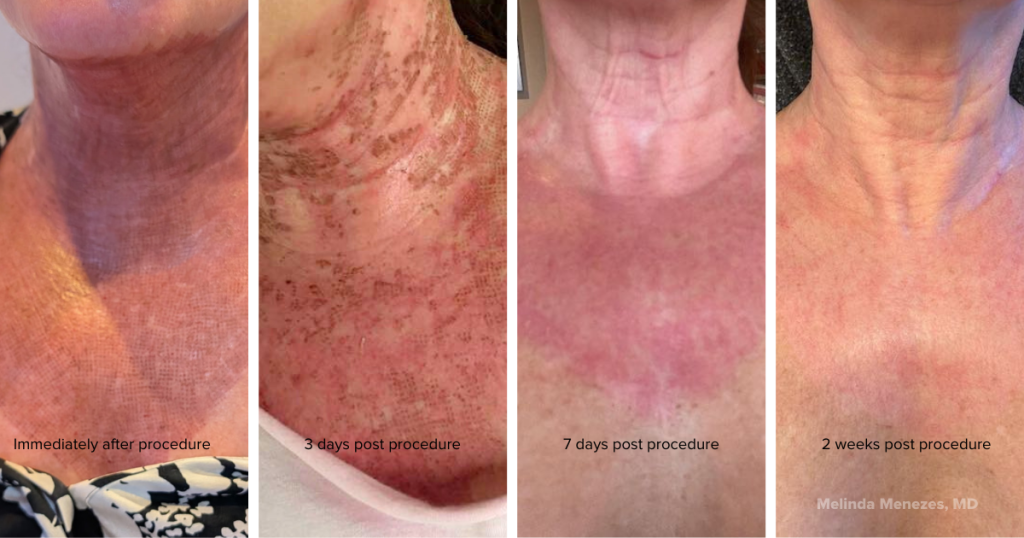
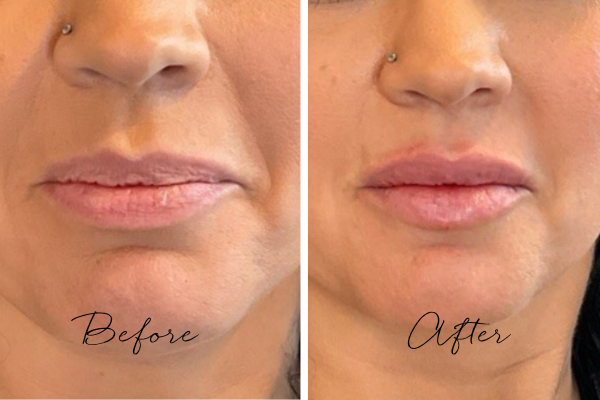
If you have ever wished your skin could simply behave the way it did ten years ago, you are not alone. Many patients come to our clinic seeking skin that looks younger, smoother, brighter, and more resilient or tighter.
Science is quickly catching up to that desire. That’s why regenerative treatments have become one of the most exciting areas in Aesthetic Medicine today. Unlike fillers and neurotoxin injections, regenerative treatments work with your own biology to support healthier and more youthful tissue over time.
As a physician, I am excited about regenerative aesthetic treatments because they harness the body’s natural repair mechanisms. This guide will take you through the major regenerative treatments available today, including PRP, Exosomes, PDRN, VAMP, and Ariessence. You will learn what they are, how they work, where they are used, who benefits most, and what to expect during and after treatment.
What Are Regenerative Aesthetic Treatments?
With age your natural skin repair cycle slows down. Regenerative aesthetics improve skin quality by stimulating the body’s own repair processes. Instead of adding volume or relaxing muscles, these treatments encourage collagen and elastin production, improve circulation and hydration, strengthen the extracellular matrix, and support healthier barrier function. When these systems function more efficiently, the skin looks and feels more youthful and radiant. In the last decade, regenerative treatments have come a long way. Let’s take a look at where we started and what is available now.
PRP: The Original Regenerative Therapy
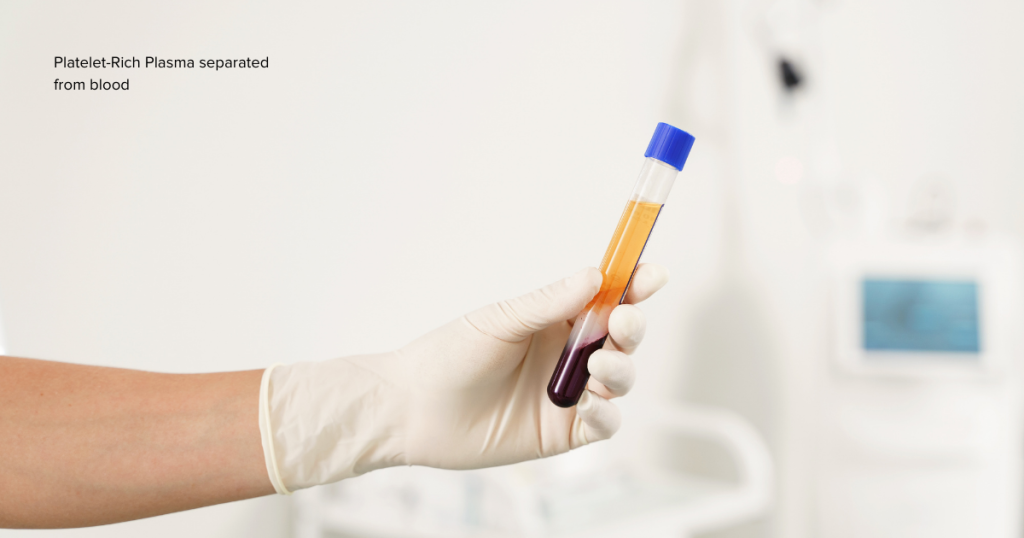
Platelet-rich plasma, or PRP, is derived from your own blood and contains concentrated platelets packed with growth factors. Platelets are small, disc‑shaped cell fragments circulating in your blood. Their primary job is to detect injury and initiate repair.
When concentrated and then placed back into the skin during an aesthetic treatment, they help repair the skin and speed healing for enhanced results. It has been used for years in orthopedics, dermatology, and wound healing. PRP supports collagen production, improves circulation and tissue repair, and promotes a healthier skin texture.
How do Platelets Work?
When platelets circulate normally, they remain inactive. Once they encounter a signal of injury, they rapidly switch into repair mode. This activation causes them to release their stored growth factors, recruit fibroblasts, stem cells, and immune cells to the area, direct collagen remodeling, and new tissue formation. This is the same mechanism PRP leverages, just concentrated and placed exactly where regeneration needs to occur.
PRP Treatment Areas
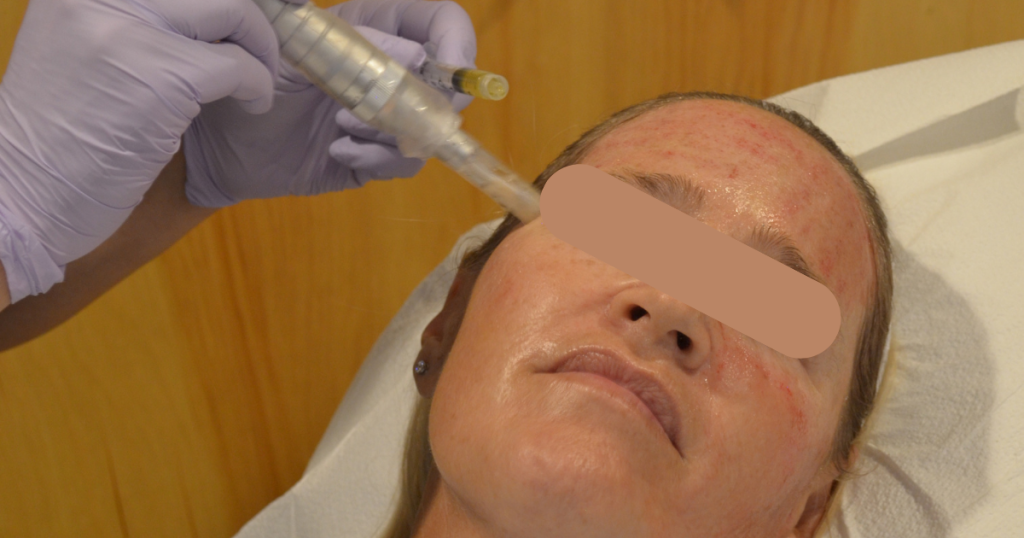
PRP is commonly used in combination with microneedling and laser treatments for under-eye rejuvenation, acne scarring, and overall skin quality. It can also be injected for hair restoration. PRP is commonly used in the ‘vampire facial’, which is microneedling with PRP added topically through the temporarily open channels through the skin. Thanks to new treatments and scientific advancements, we no longer offer PRP at Melinda Menezes, MD.
Risks and What to Expect
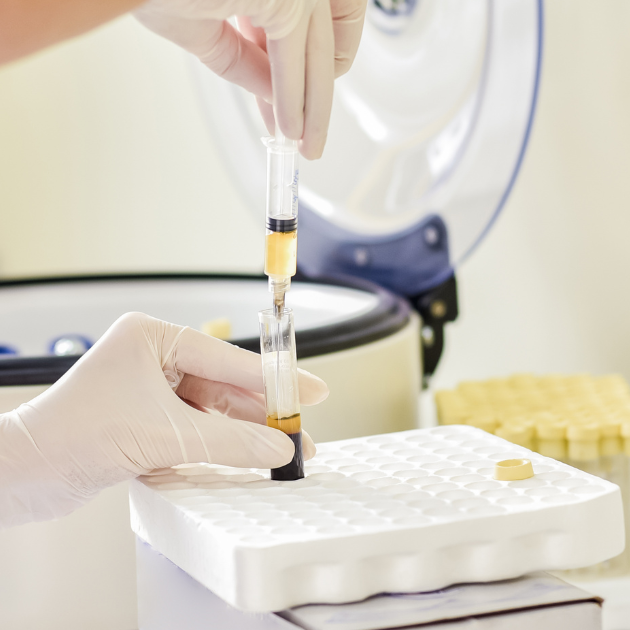
Because PRP is derived from your own blood, your practitioner will draw your blood and spin it in a centrifuge to separate the PRP. It is a good option for patients with allergies to other regenerative treatments or skin sensitivities. The key to safety is seeing a provider with extensive training, proper equipment, and protocols to avoid contamination and infection. Swelling and temporary redness from microneedling are common, and bruising may occur at injection sites.
PRP may not be ideal for patients with certain blood disorders or for those who cannot tolerate blood draws. One of the major drawbacks of PRP is the lack of consistency in platelet and growth factor levels. The older the patient is, the less power their PRP holds. Also, from day to day, an individual may have fluctuations in the quality and quantity of their platelets.
Exosomes: The Next Regenerative Tool
Exosomes are derived from many cell types. These tiny vesicles are released by cells and carry growth factors, peptides, and RNA. They act as messengers that help cells communicate and coordinate repair. Exosomes support tissue regeneration, reduce inflammation, improve texture and tone, and accelerate healing after procedures.
Much like PRP, exosomes are often used following laser treatments and microneedling to reduce redness and inflammation. Exosomes are a good option for patients who want advanced regenerative support without drawing blood for PRP.
Safety and Risks
Because exosomes are harvested and purified in a lab, they must come from FDA-compliant, ethically sourced, rigorously tested manufacturers. Mild redness or irritation may occur, and regulatory standards continue to evolve. A physician can help determine whether exosomes are appropriate for your skin type and treatment plan.
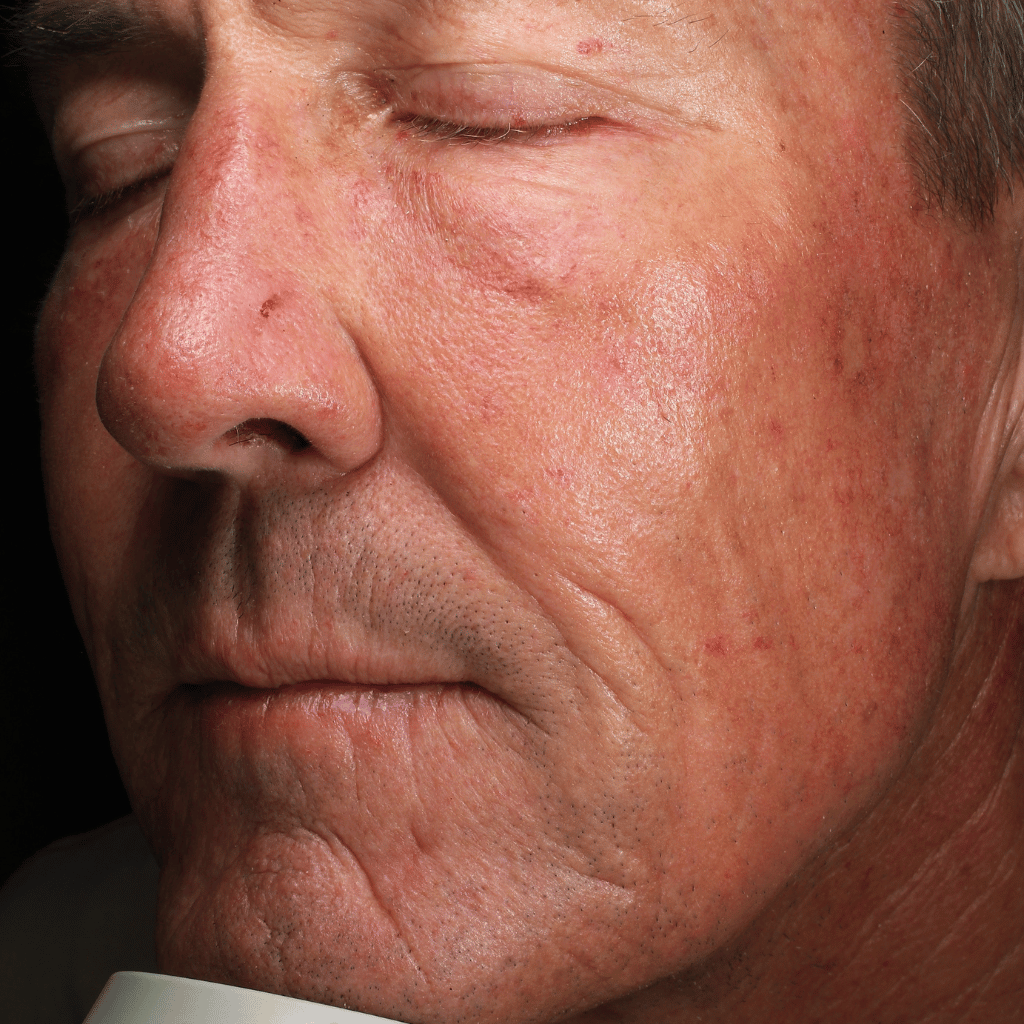
Before glass skin facial
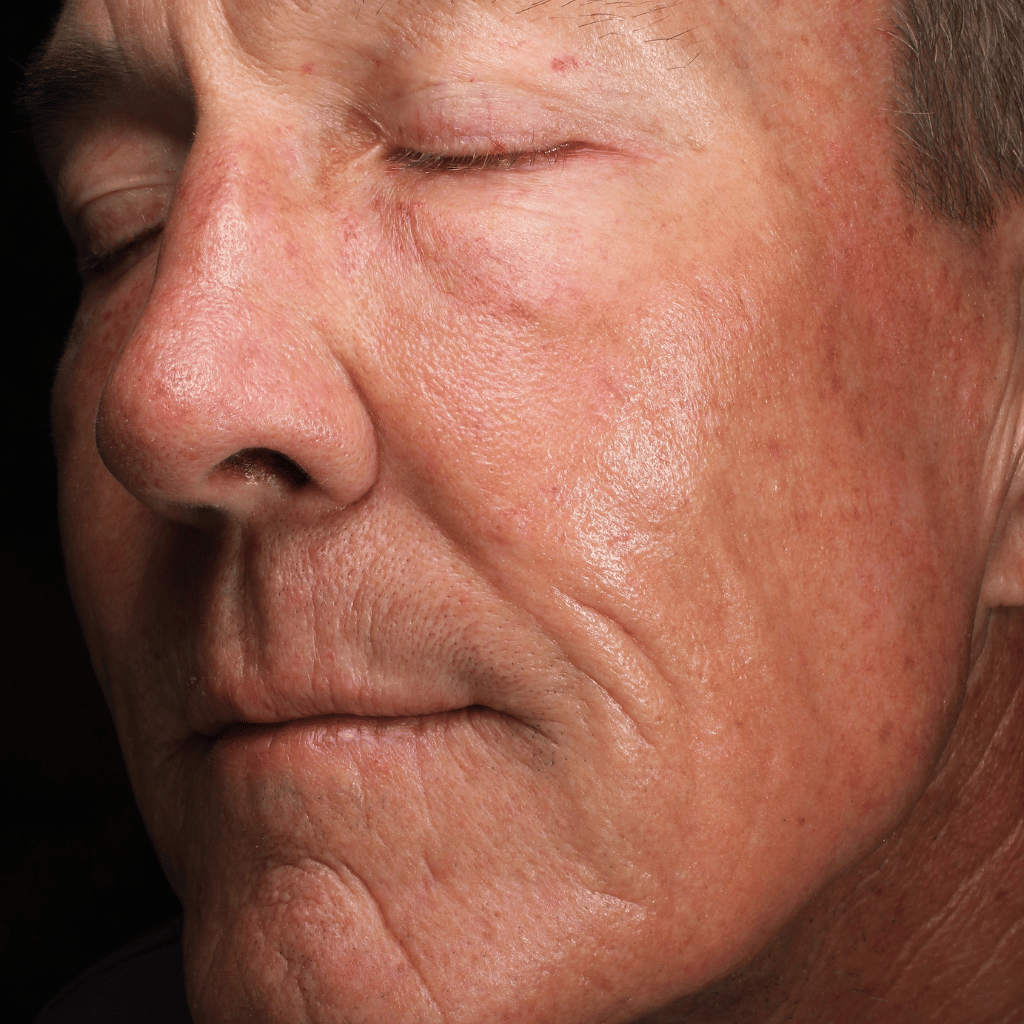
Four weeks after second glass skin facial
PDRN: A Calming and Restorative Option
PDRN, or polydeoxyribonucleotide, is derived from purified salmon DNA fragments and has a long history in wound healing and dermatology. In aesthetics, it is valued for its calming and restorative effects. PDRN supports fibroblast activity, tissue repair, hydration, reduced inflammation, and improved barrier function.
What to Expect
PDRN is often used for sensitive or reactive skin, post-procedure healing, redness reduction, irritation, and fine lines. It is a strong option for patients who struggle with inflammation or who want a regenerative treatment that focuses on healing and hydration rather than structural change.
Risks and Safety
Pharmaceutical-grade PDRN is essential for patient safety. Patients should avoid unregulated online products that are not equivalent to medical-grade formulations. Mild redness or swelling may occur, and individuals with fish allergies may need alternative options depending on the formulation. A physician can help determine whether PDRN is appropriate for your skin type and treatment goals.
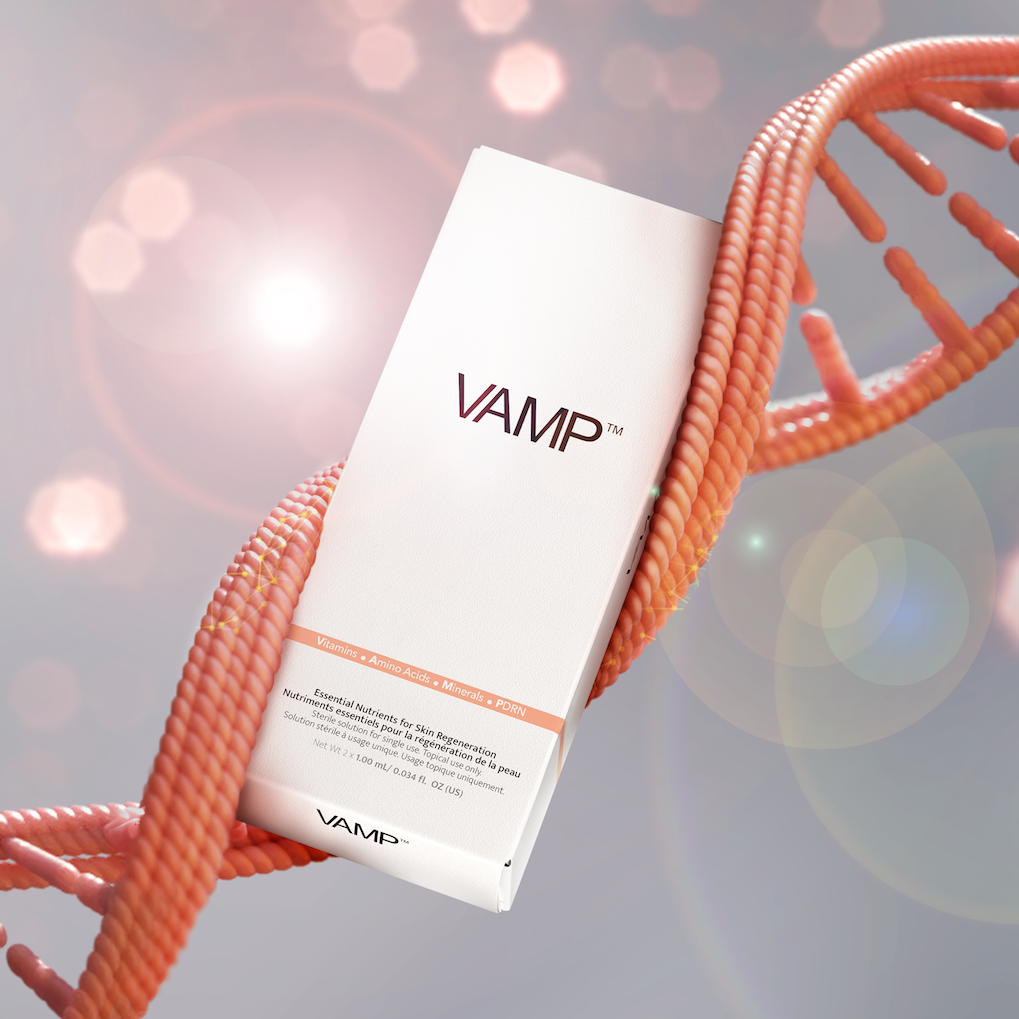
VAMP is a topical, sterile, bio-revitalizing solution enriched with a powerful blend of 11 vitamins, 23 amino acids, 6 minerals, hyaluronic acid, and PDRN for skin rejuvenation.
VAMP is typically applied in combination with microneedling, Morpheus8, or laser treatments. These treatments create controlled microdamage in the skin, which allows the serum to penetrate more effectively. At Melinda Menezes, MD, it is a key component of our glass skin facial.
Once delivered into the superficial layers, the PDRN and supportive ingredients help improve texture, refine the appearance of pores, soften fine lines, and enhance overall luminosity. Patients often report smoother, more hydrated, and more radiant skin in the weeks that follow.
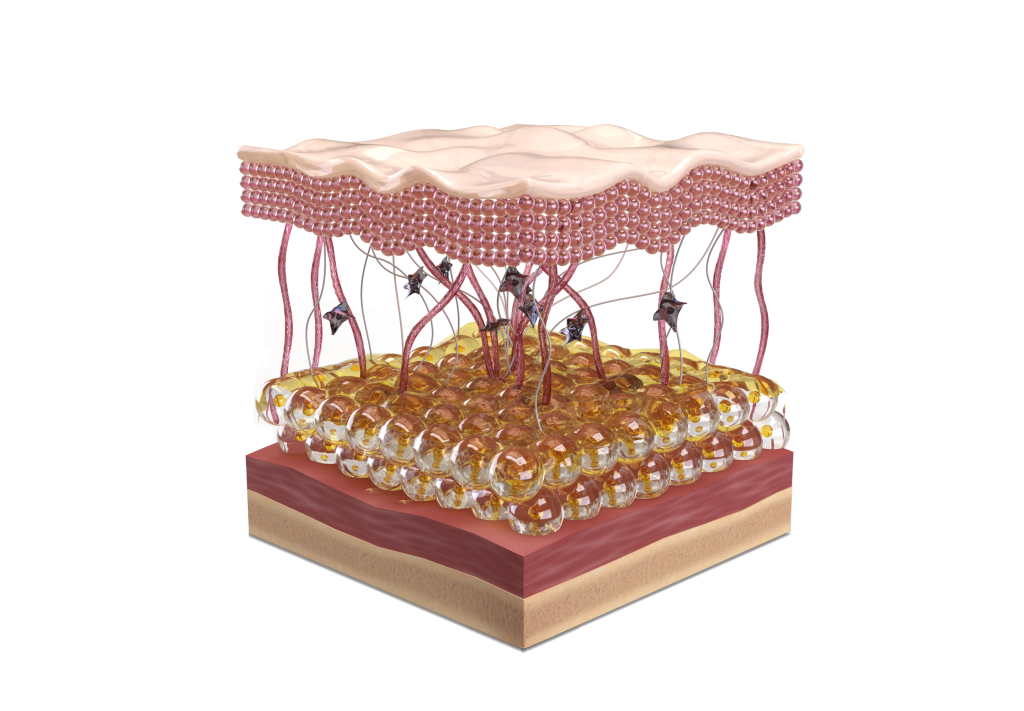
Diagram: aged skin with low elasticity. Fewer fibroblasts, collagen and elastin.
VAMP Treatment Areas
VAMP is most commonly used on the face, neck, and chest, and it is especially helpful for dullness, fine lines, and uneven texture. It is a good option for patients seeking a refreshed, luminous look without injections.
What to Expect
VAMP is a serum applied during or after treatment. Some mild redness is common immediately after microneedling or laser treatment, and the skin may feel warm or tight for a short time. Patients should avoid prolonged sun and UV exposure, freezing temperatures, as well as saunas and steam rooms for at least 48 hours. Most patients can resume normal activities within 48 hours, depending on the intensity of the device used.
Ariessence: A Potent Topical PDGF Treatment
Ariessence pure PDGF+ is a potent, proprietary, topical procedure enhancement that
utilizes technology to produce a pure, sterile, pharmaceutical-grade PDGF (platelet-derived growth factor) combined with hyaluronic acid. When used after treatments such as microneedling, radiofrequency microneedling, laser skin resurfacing, and peels, Ariessence pure PDGF+ can enhance results and reduce downtime.
While PRP contains many growth factors, PDGF (Platelet‑Derived Growth Factor) is one of the most influential. PDGF is essential because it:
Signals fibroblasts to produce collagen, elastin, and extracellular matrix
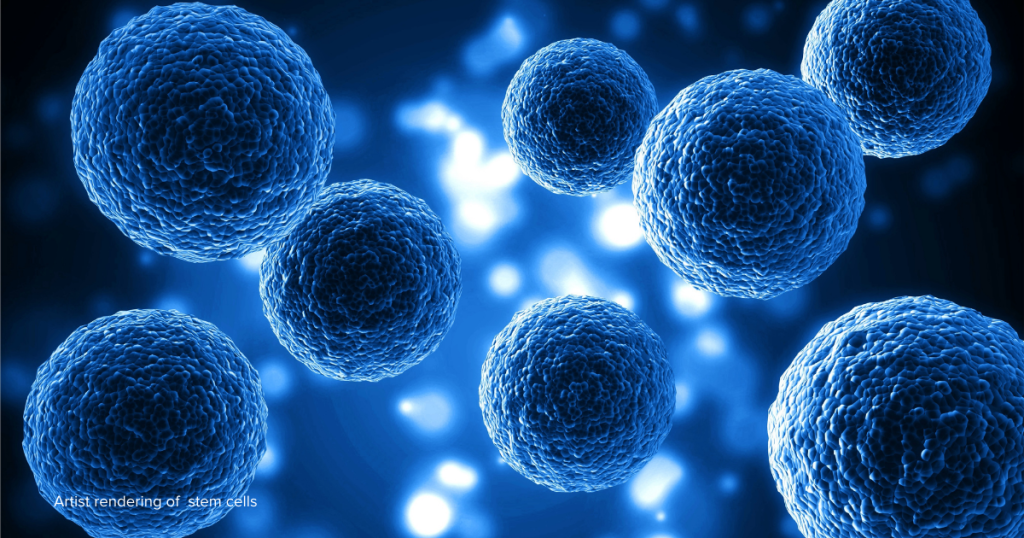
Stimulates stem cell migration to the treatment area
Supports angiogenesis, improving circulation and nutrient delivery
Accelerates tissue repair by coordinating multiple cell types
Enhances wound remodeling, leading to smoother, stronger skin
What Makes Ariessence a Great Addition to Your Treatments?
PDGF is naturally occurring, but Ariessence is a lab-engineered, pharmaceutical-grade product with no human or animal components.
Unmatched potency delivers faster results, enabled by the highest concentration of growth factors.
Well-documented safety profile, resulting in enhanced outcomes
The same growth factor is used in four separate FDA-approved medical products treating over 5.5 million patients
Sterile, extensively studied safety profile
Creates clearer, natural-looking, healthier skin, making patients look and feel great, and younger
Getting Started with Regenerative Aesthetics
A regenerative treatment plan should start with a consultation. Your provider should assess your skin health and discuss your goals. These therapies are highly customizable and enhance the results of many other aesthetic medical treatments and services.
Comparing Regenerative Aesthetic Treatments
Each regenerative treatment has its own strengths. VAMP and PDRN are ideal for patients seeking topical or device-assisted treatments focused on hydration, healing, and texture. PRP is a strong option for those with allergies that may prevent the use of other therapies or seeking treatment for hair loss.
Ariessence offers structural collagen stimulation for areas that need firmness and support. Exosomes provide advanced signaling support and pair well with energy-based procedures. A physician can help determine which option or combination best aligns with your goals and your skin biology.
Safety, Risks, and Choosing a Qualified Provider
Regenerative treatments are powerful tools, but only when performed by trained medical professionals. Many involve biologic materials or device-based delivery, which require clean technique, proper equipment, and medical oversight. Patients should avoid non-medical environments, at-home kits, and unregulated products. A qualified provider offers medical training, anatomical expertise, evidence-based protocols, transparent sourcing, and personalized treatment planning.
Doc’s Last Word
Regenerative aesthetics supports your skin’s natural structure and regenerative processes. They enhance your skin’s ability to repair, rebuild, and glow from within. When performed by a trained physician with safe, evidence-based products, regenerative treatments are an excellent investment in your long-term skin health.
This information is intended for general education only and is not medical advice. If you are curious about which regenerative options may be right for you, schedule a personalized consultation.